
W.K. Kellogg Foundation
Funded
Healing-Centered Education Program
2023 - 2025
WELCOME
For three years (2023-2025), with the support of the W.K. Kellogg Foundation, the Acosta Institute—through our partnership with the Garrison Institute—set out to expand access to healing-centered education at a national scale. Our aim was both ambitious and deeply human: to support educators, leaders, and communities in navigating an era marked by collective trauma, social fragmentation, and profound uncertainty. Through the development of a comprehensive certification program, the growth of our summits and conferences, and the storytelling power of the Wounded Healers project, we worked to create spaces where people could learn, reflect, and reconnect—with themselves, with each other, and with a deeper sense of purpose. At its core, this initiative was about reimagining education as a site of healing, belonging, and transformation.
What we discovered along the way both affirmed and expanded our vision. Across thousands of participants, we witnessed a deep hunger for spaces that are not only intellectually rigorous, but also emotionally grounding and relationally rich. Time and again, participants reported increased knowledge, renewed purpose, and a profound reduction in isolation, burnout, and fatigue. We learned that healing-centered approaches are not peripheral—they are essential. We also saw how digital spaces, when intentionally designed, can foster genuine connection and transformation. Perhaps most importantly, this work revealed the power of community: when people gather with intention, care, and courage, new possibilities emerge—not just for individual growth, but for reshaping the systems we are part of.
HEALING-CENTERED EDUCATION CERTIFICATE PROGRAMS
Across the three-year grant period, the Healing-Centered Education Certificate Program evolved from vision to a fully realized and refined offering that has now reached hundreds of educators, leaders, and practitioners. In 2024, we launched our inaugural cohort with 77 participants, 44 of whom completed the full program—an intensive, 3-month experience totaling approximately 60 hours of learning and practice. By 2025, we expanded to two cohorts, serving 110 participants (79 in the first cohort and 31 in the second), with 75 completing final projects across both cohorts. While the program was originally designed as a longer-form experience, we adapted its structure to increase accessibility—offering shorter, high-impact formats (12–18 hours) while maintaining depth through integration sessions, reflective assignments, and live faculty engagement. This iterative design process reflects one of the program’s greatest strengths: its responsiveness to participant feedback and evolving community needs.
The impact of the Certificate Program has been both measurable and deeply felt. Across cohorts, between 82–100% of participants reported increases in key areas such as knowledge of healing-centered practices, sense of motivation, inspiration, hope, belonging, and overall well-being, with many reporting significant gains. Just as important, participants reported meaningful decreases in burnout, compassion fatigue, and isolation—some of the most pressing challenges facing educators today. The qualitative data tells an even richer story: participants described the program as “transformative,” “nourishing,” and even “home,” with many immediately integrating practices into classrooms, leadership contexts, and community spaces. What emerged is clear—this was not simply a professional development experience, but a capacity-building intervention that strengthened both the inner lives and external impact of those we serve, contributing to a growing ecosystem of healing-centered practitioners across the country.
Audio Testimonials From the Community
Written Reflections from the Community
WOUNDED HEALER PORTRAIT & PODCAST SERIES
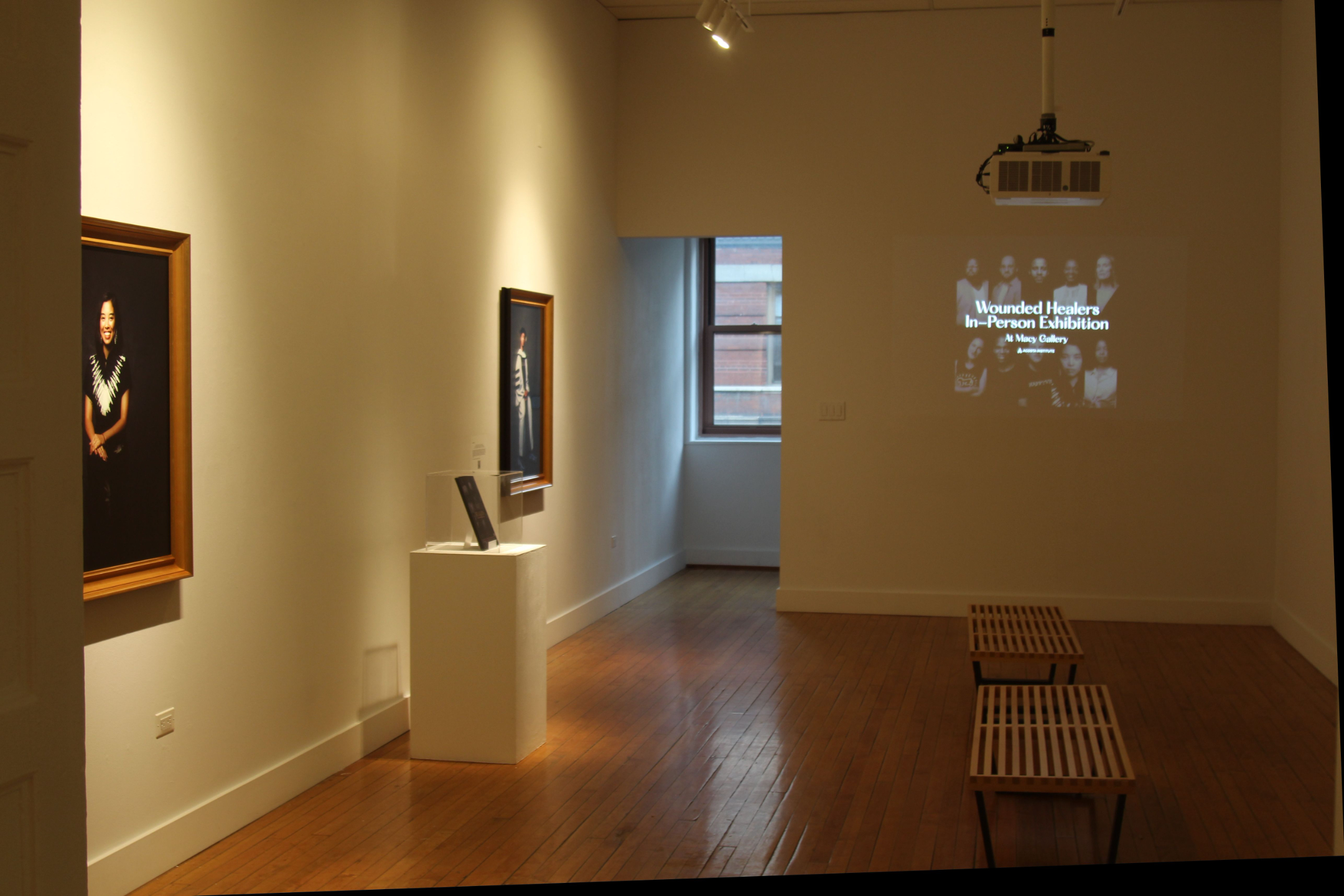
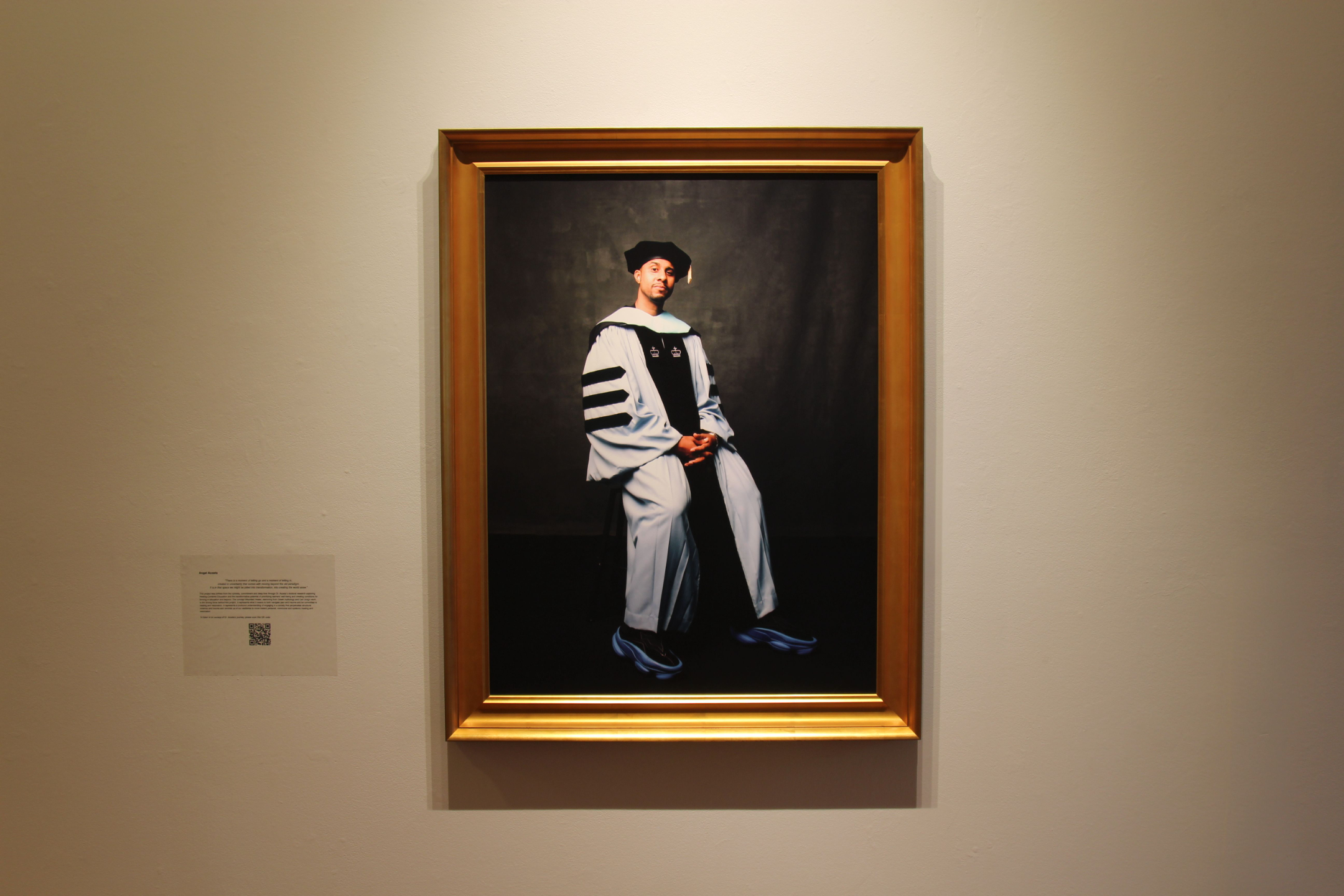
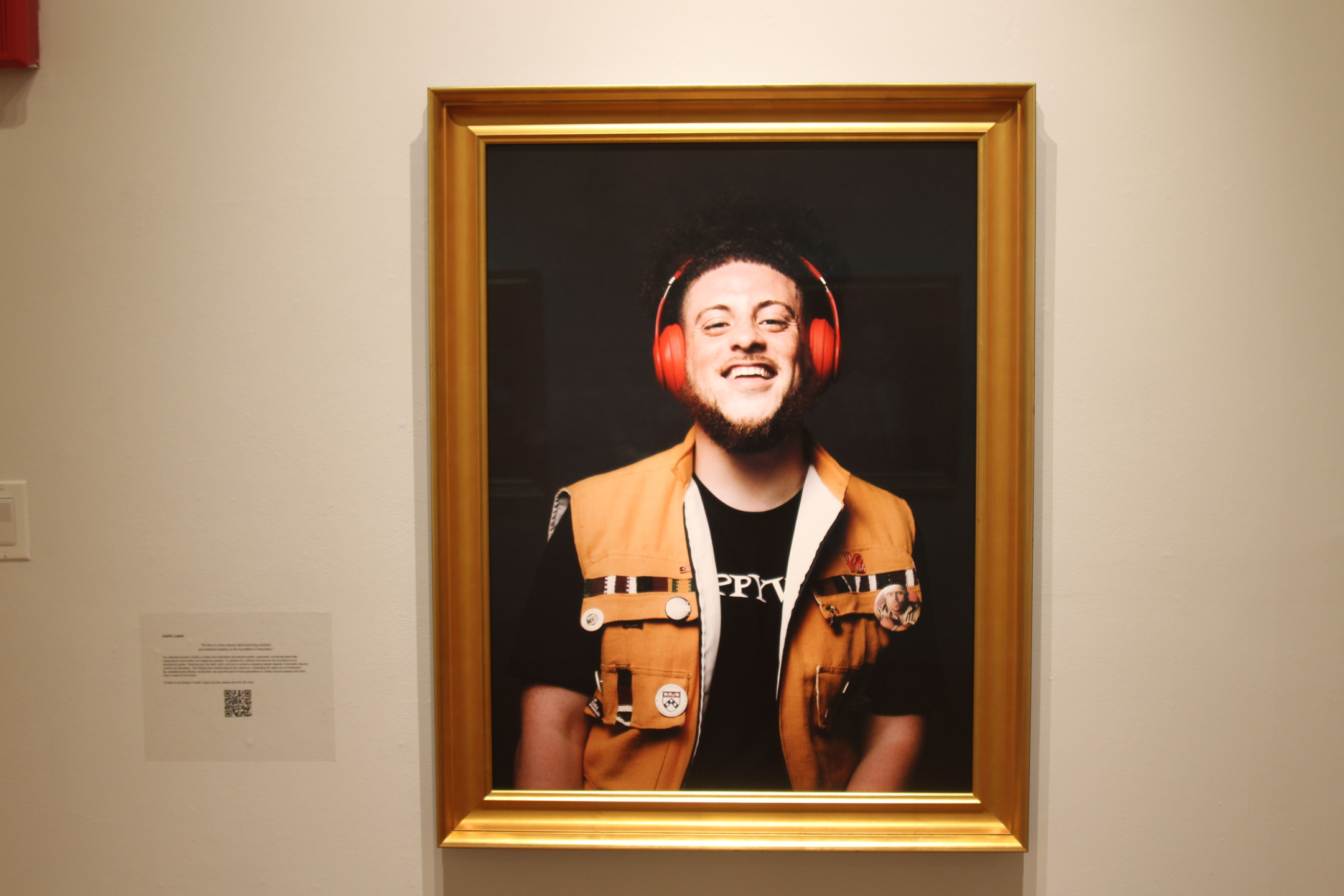
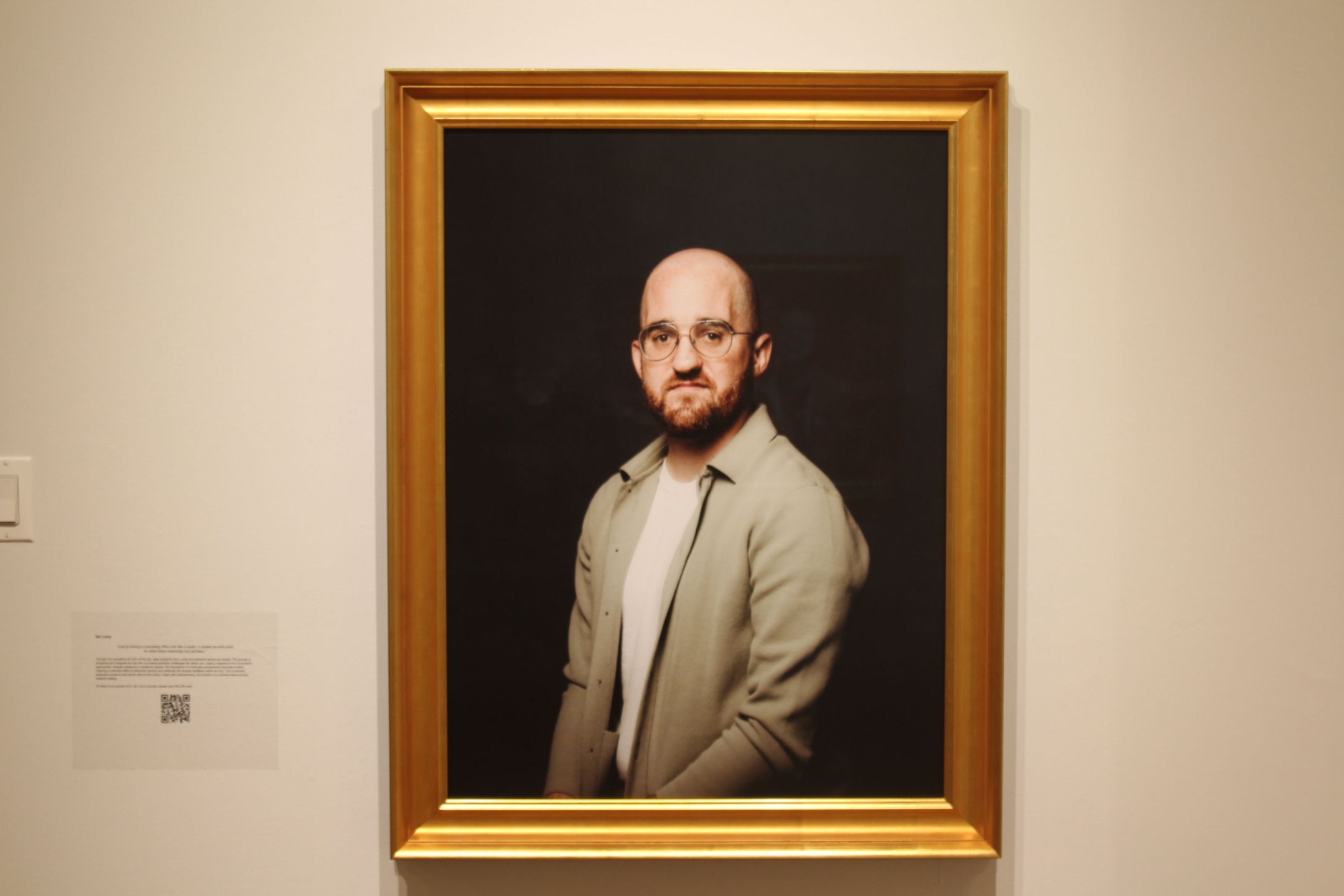
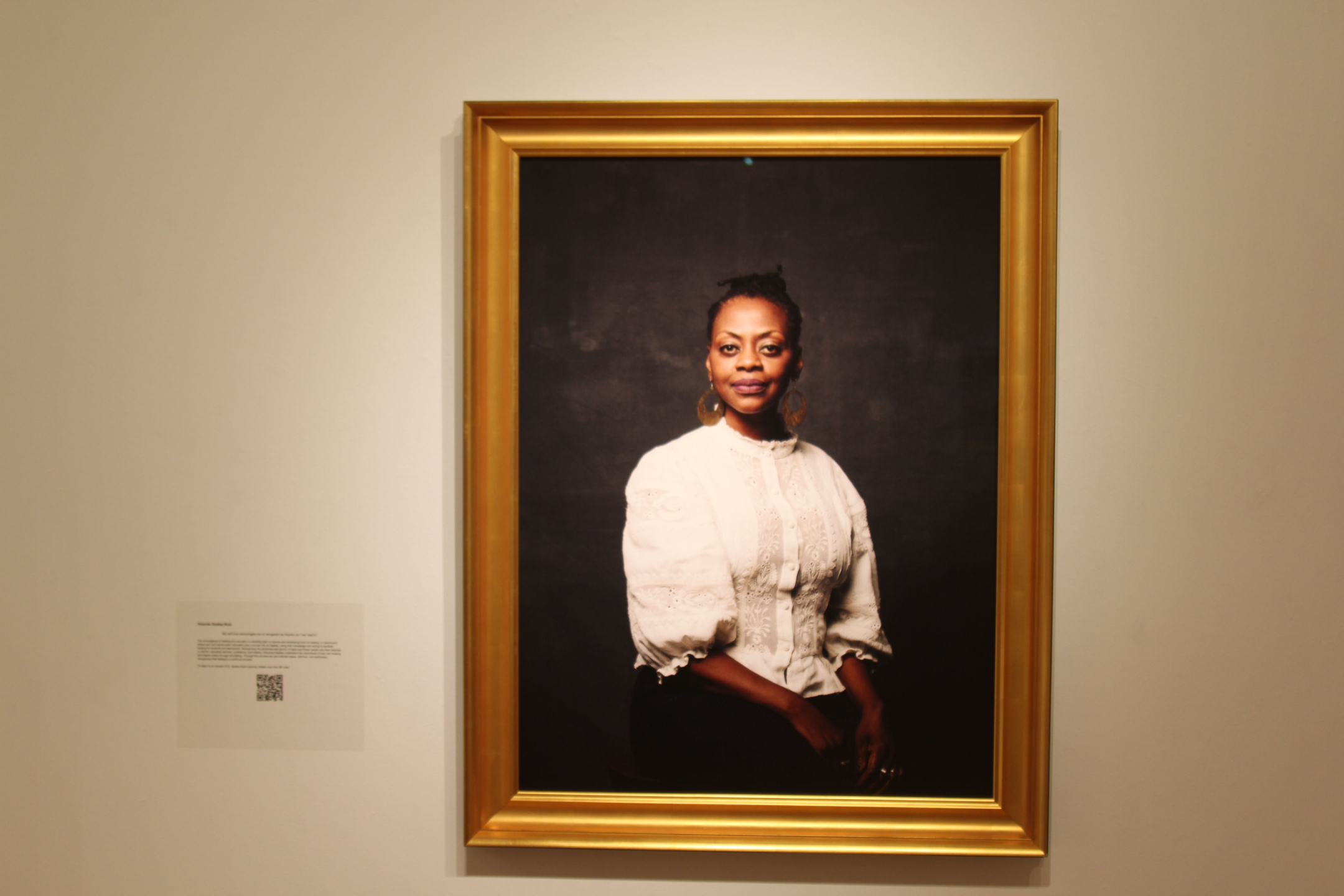
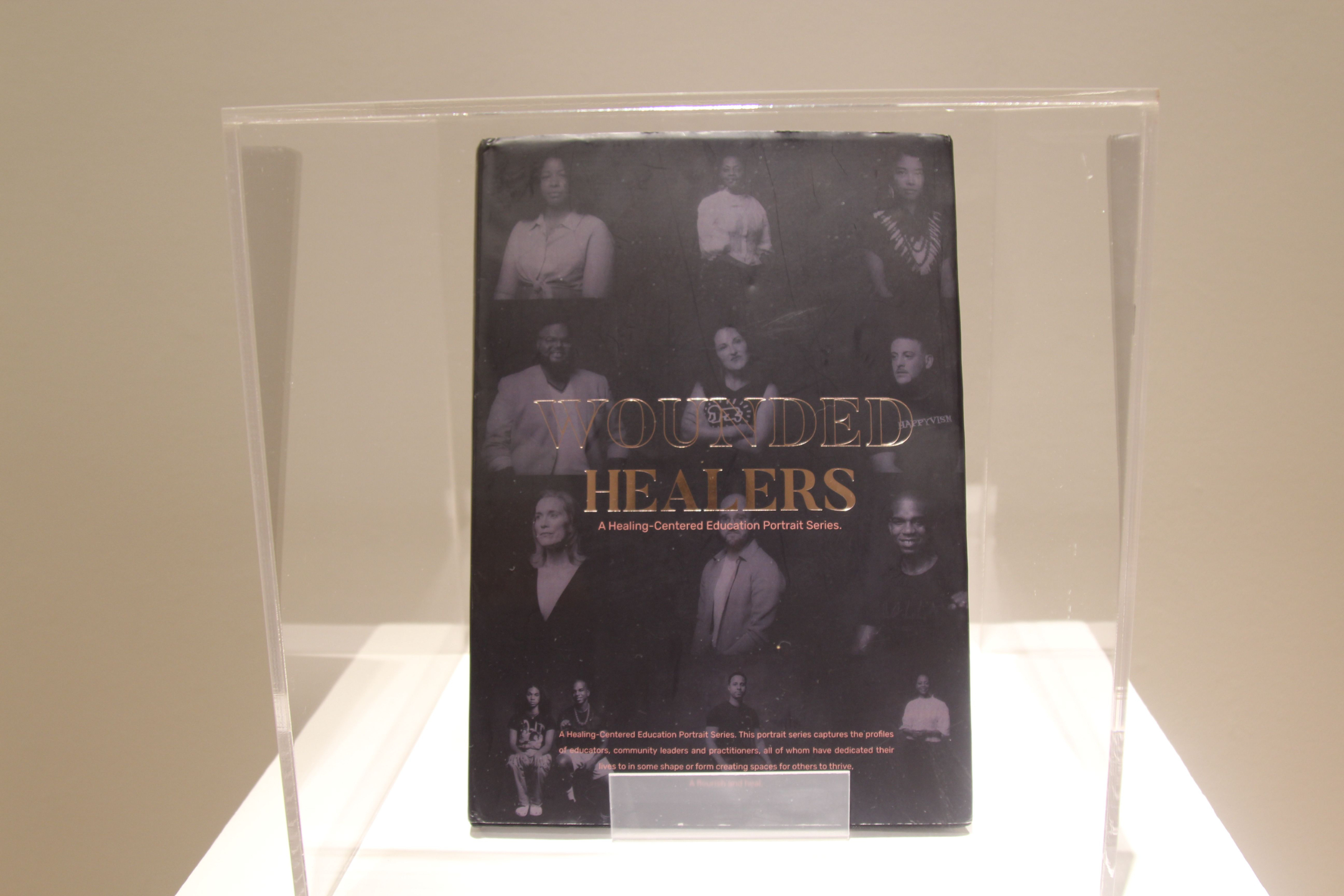
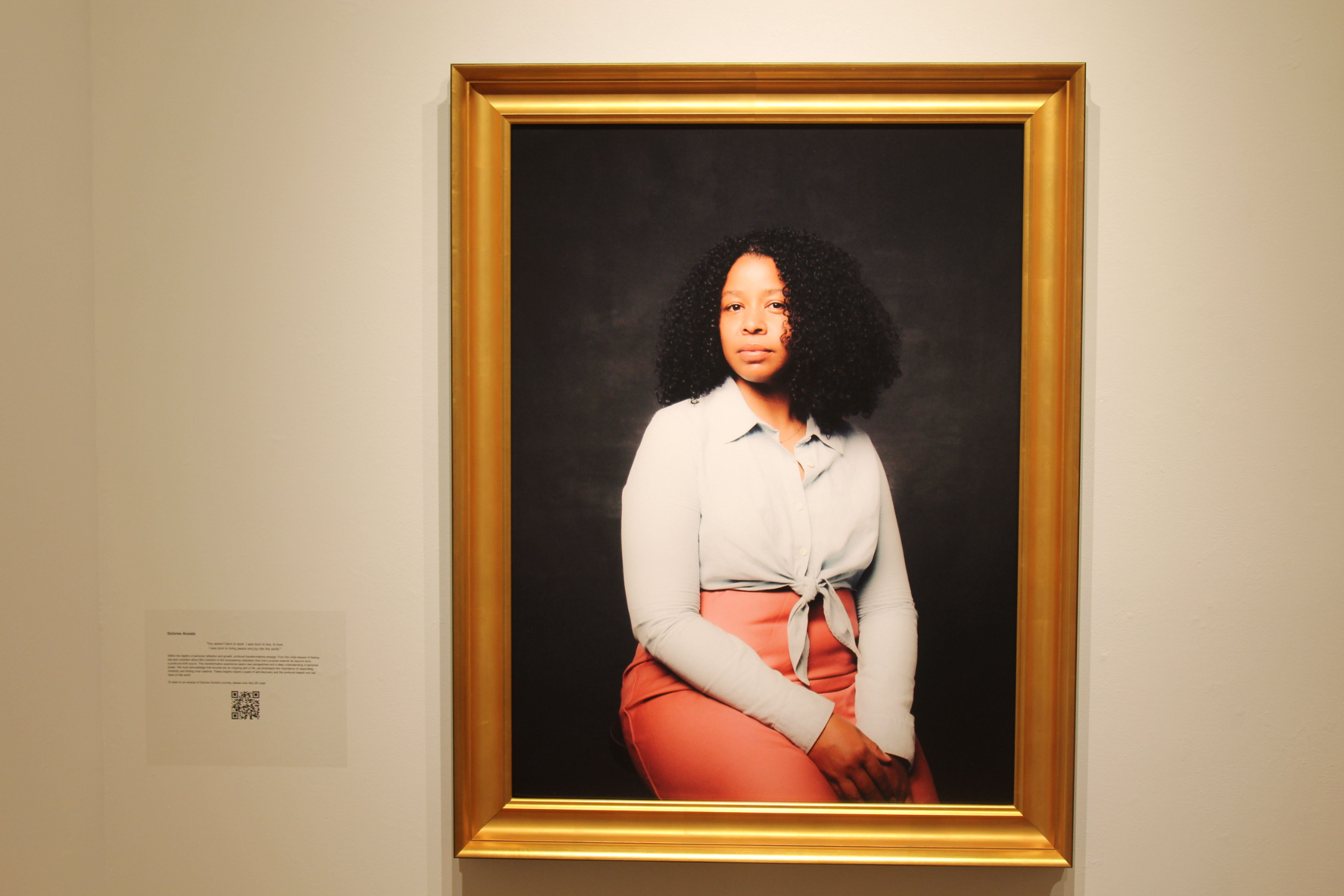
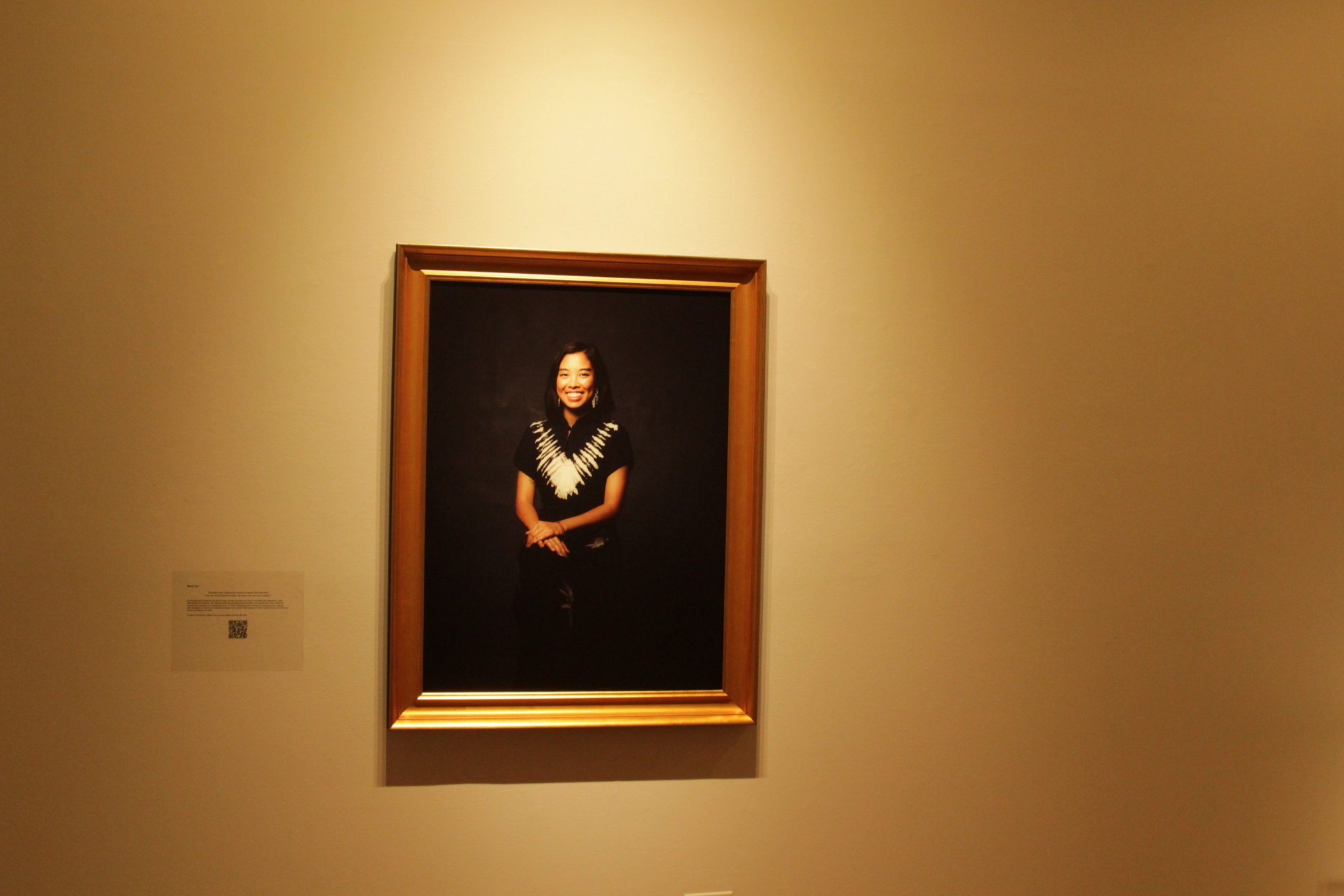
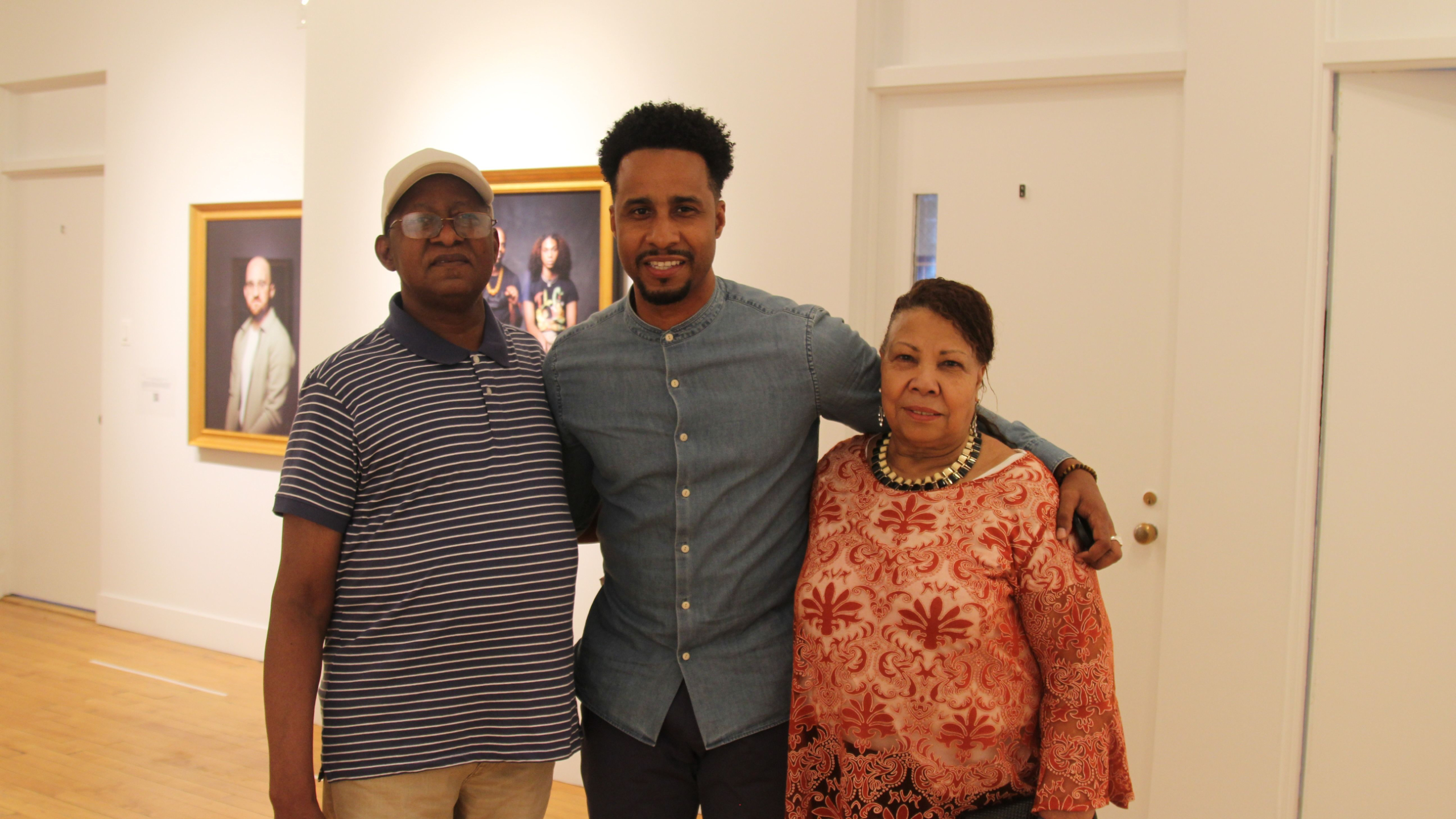
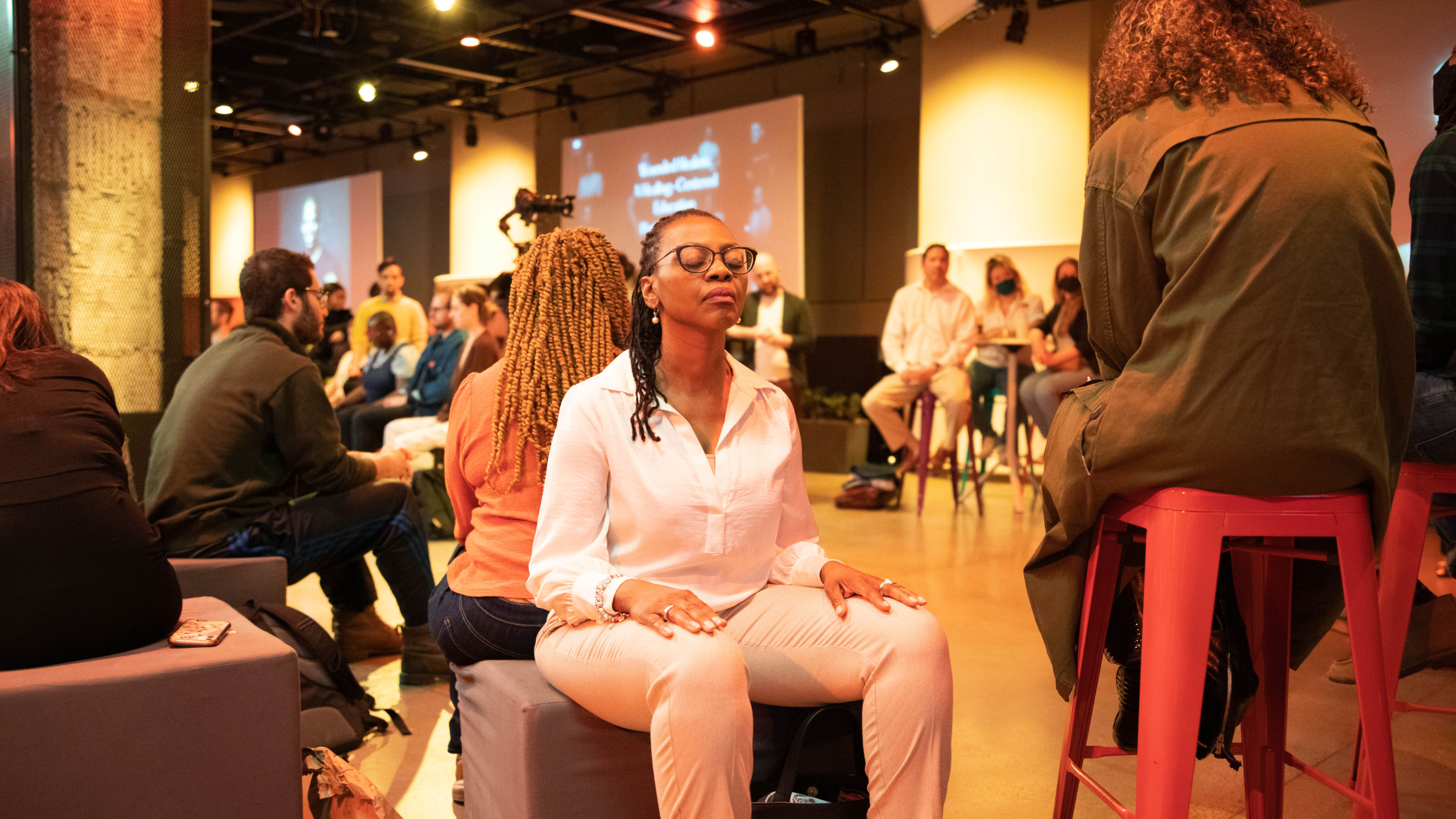
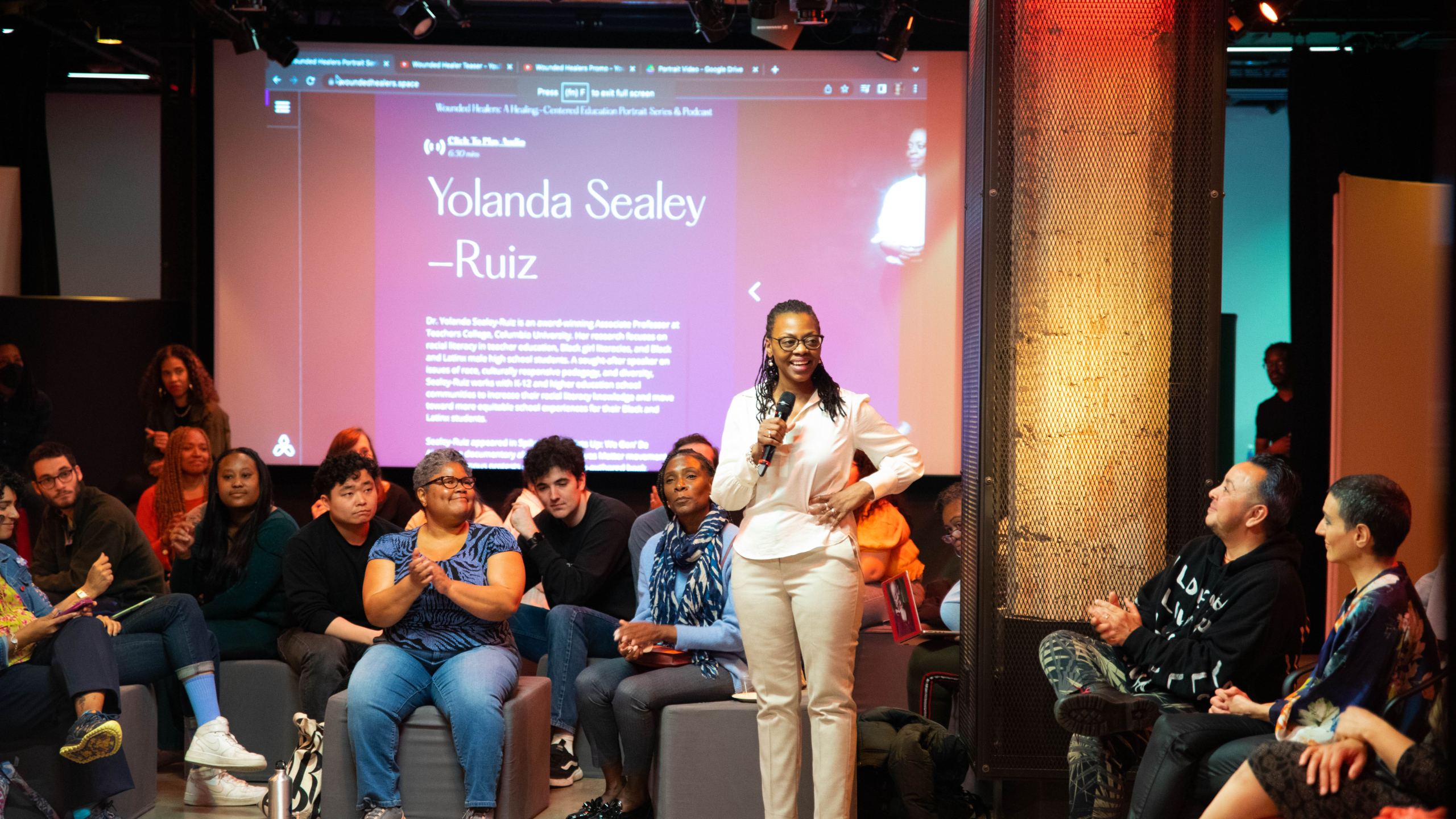
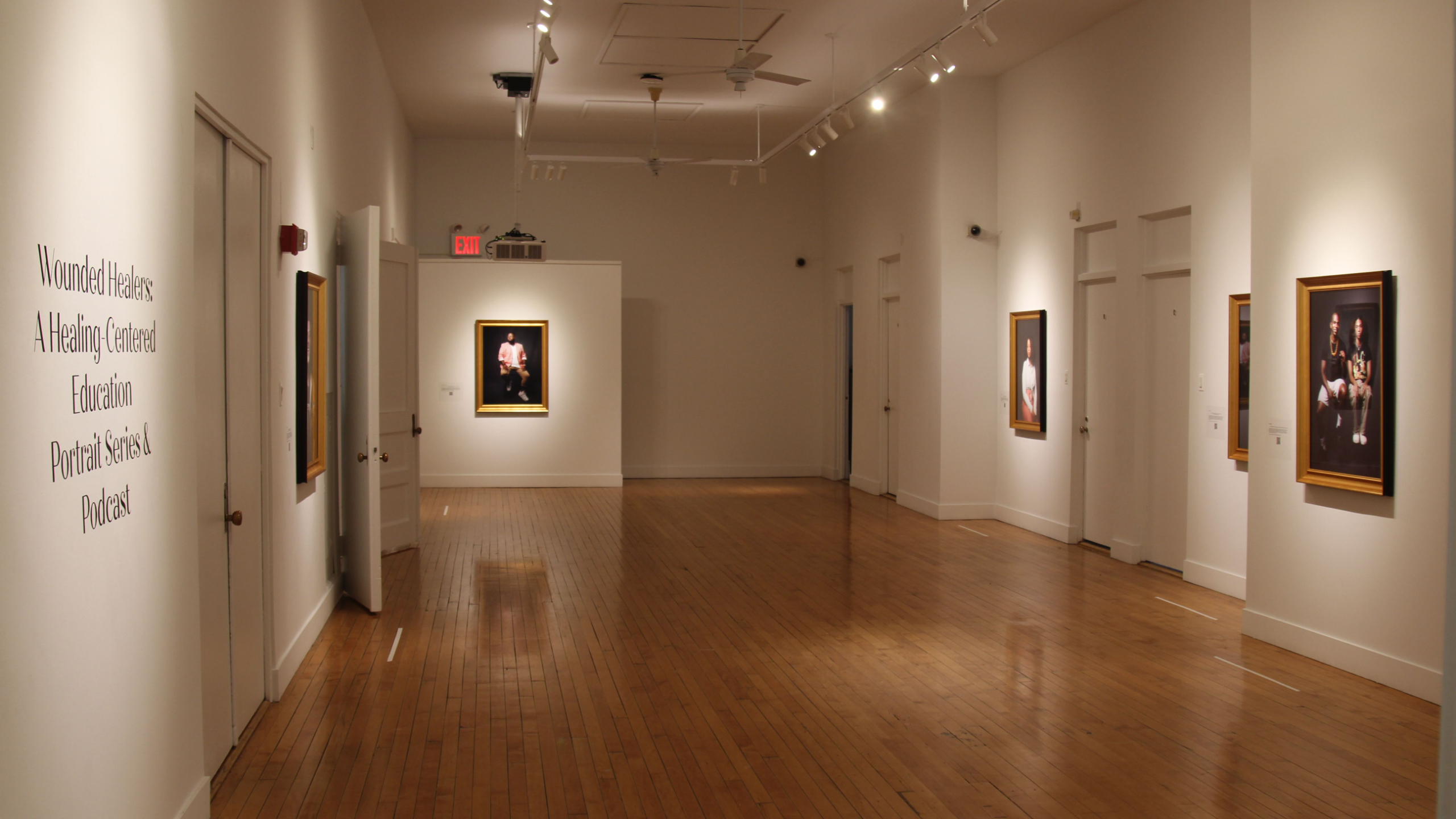
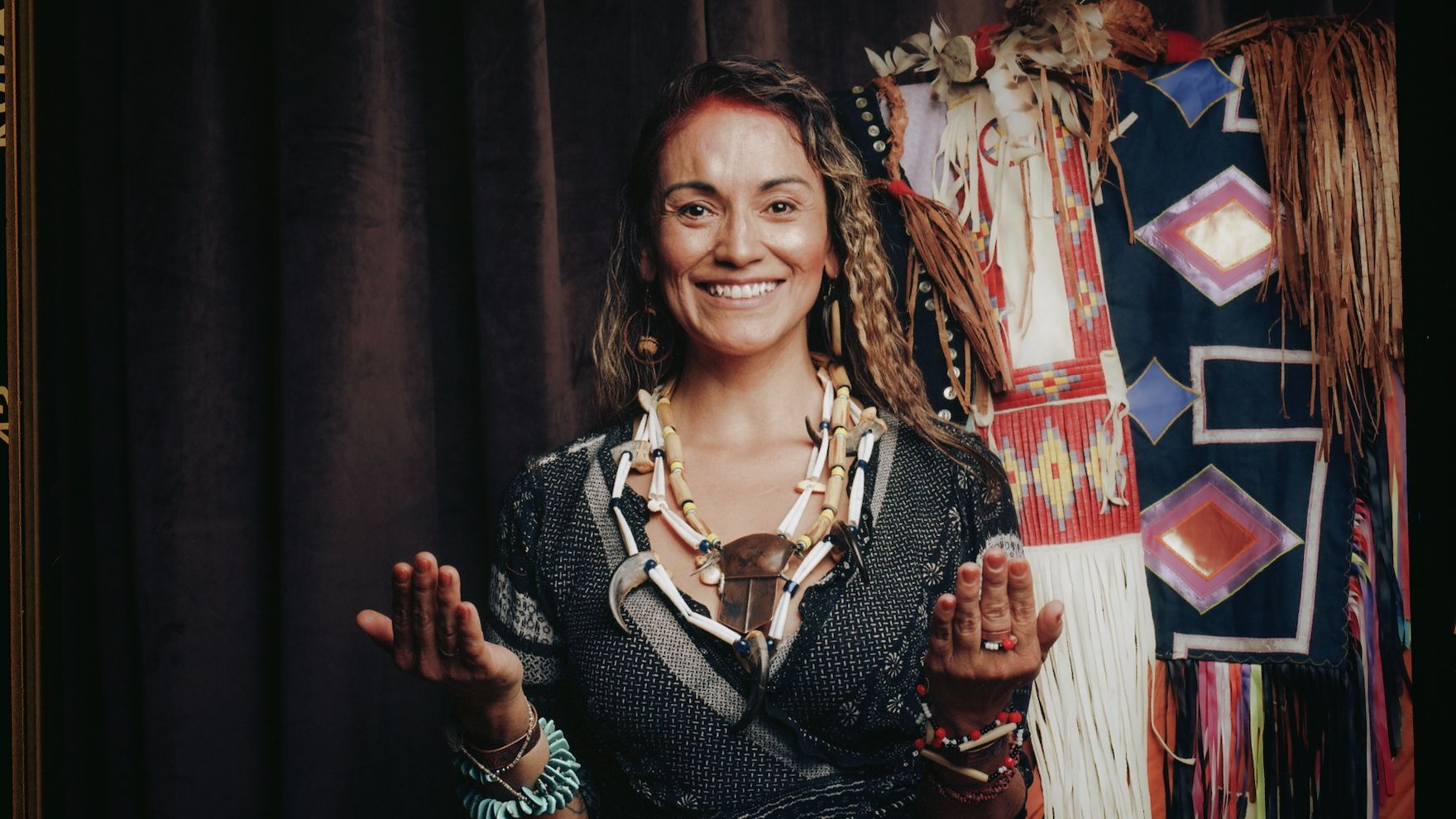
The Wounded Healers Portrait and Podcast Series emerged as a powerful storytelling and cultural intervention within the broader Healing-Centered Education Program. Launched in 2023, the initiative featured the portraits and stories of nine educators and community leaders, brought to life through exhibitions, live events, and a growing digital presence. That first year alone included multiple in-person gatherings and exhibitions, reaching over 700 participants, with more than 2,000 views of the online exhibition and approximately 3,000 podcast listens. In 2024, the project deepened through continued engagement with the original series and the development of a second cohort of portraits, while in 2025, the work extended its digital reach with over 2,400 podcast listens, more than 3,200 visits to the portrait website, and thousands more engaging through social media and public installations. Across the grant period, the project consistently reached tens of thousands of people through both direct participation and broader digital dissemination.
Beyond the numbers, the Wounded Healers project created a profound space for reflection, affirmation, and narrative shift. At a time when educators are navigating burnout, systemic inequities, and emotional exhaustion, these portraits and stories offered something rare: visibility, dignity, and hope. Participants and audiences described the experience as “sacred,” “fortifying,” and deeply humanizing—an invitation to see themselves and others more fully. The project helped reframe educators not just as professionals within strained systems, but as complex, resilient individuals engaged in their own healing journeys while supporting others. In doing so, it contributed to a broader cultural shift—one that centers storytelling, art, and lived experience as essential tools for healing and transformation within education and beyond.
You can access a 3D tour of the exhibition that was hosted at Teachers College, Columbia University's Macy Art Gallery below.
3D Gallery Exhibition Access HEREAudioTestimonials From the Community
IMAGES FROM THIS PROJECT



HEALING-CENTERED EDUCATION CONFERENCES & SUMMITS
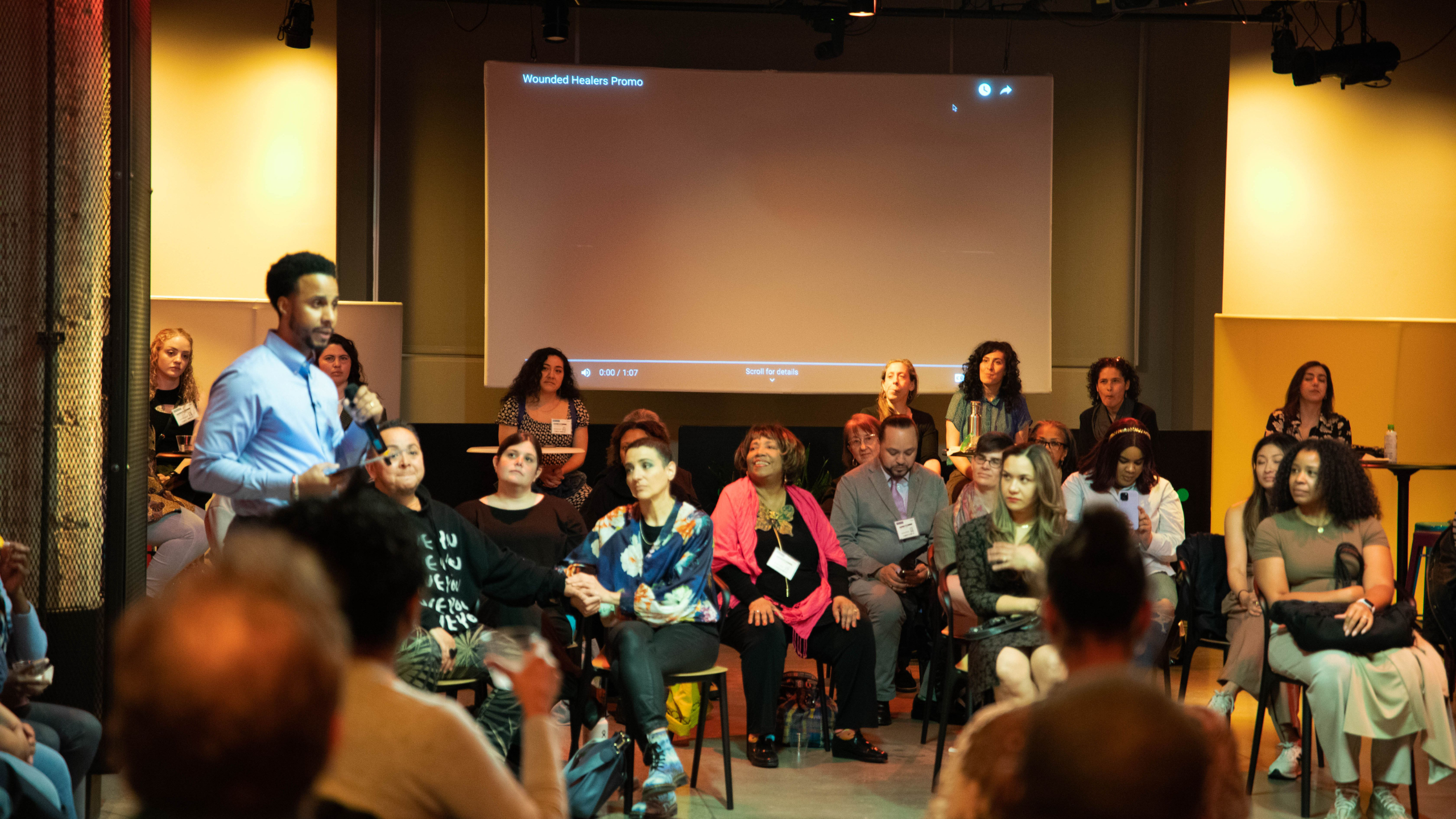
The Healing-Centered Education Conferences and Summits became a central pillar for field-building, community engagement, and large-scale dissemination of healing-centered practices. Beginning in 2023, these gatherings brought together hundreds of educators, practitioners, and leaders through multi-day summits and a flagship international conference, with approximately 500 participants attending in that first year alone and thousands more engaging with related digital content. In 2024, participation deepened and expanded significantly, with 270 attendees at Kellogg-supported events and more than 2,000 individuals engaging in broader Institute programming, alongside over 15,000 interacting with conference-related content online. By 2025, the model had matured into a consistent rhythm of convenings across the year, including summits and an international conference, engaging hundreds more participants and extending reach through both in-person and virtual formats. These gatherings not only scaled access to healing-centered education, but also established the Acosta Institute as a leading convener in the field.
The impact of these conferences has been both expansive and deeply relational. Participants consistently reported increased knowledge, inspiration, resilience, and a renewed sense of purpose, alongside meaningful reductions in isolation, burnout, and fatigue. More than just events, these gatherings functioned as catalytic spaces—bringing together diverse voices across education, business, and community leadership to explore healing, equity, and transformation in real time. The conferences created opportunities for collective sensemaking during moments of social and political uncertainty, offering what many described as grounding, nourishing, and even life-affirming experiences. Through a blend of keynotes, workshops, contemplative practices, and community dialogue, the conferences helped cultivate a growing national network of practitioners committed to healing-centered approaches, while reinforcing the importance of connection, reflection, and shared learning as essential components of meaningful change.
CONFERENCE AGENDAS
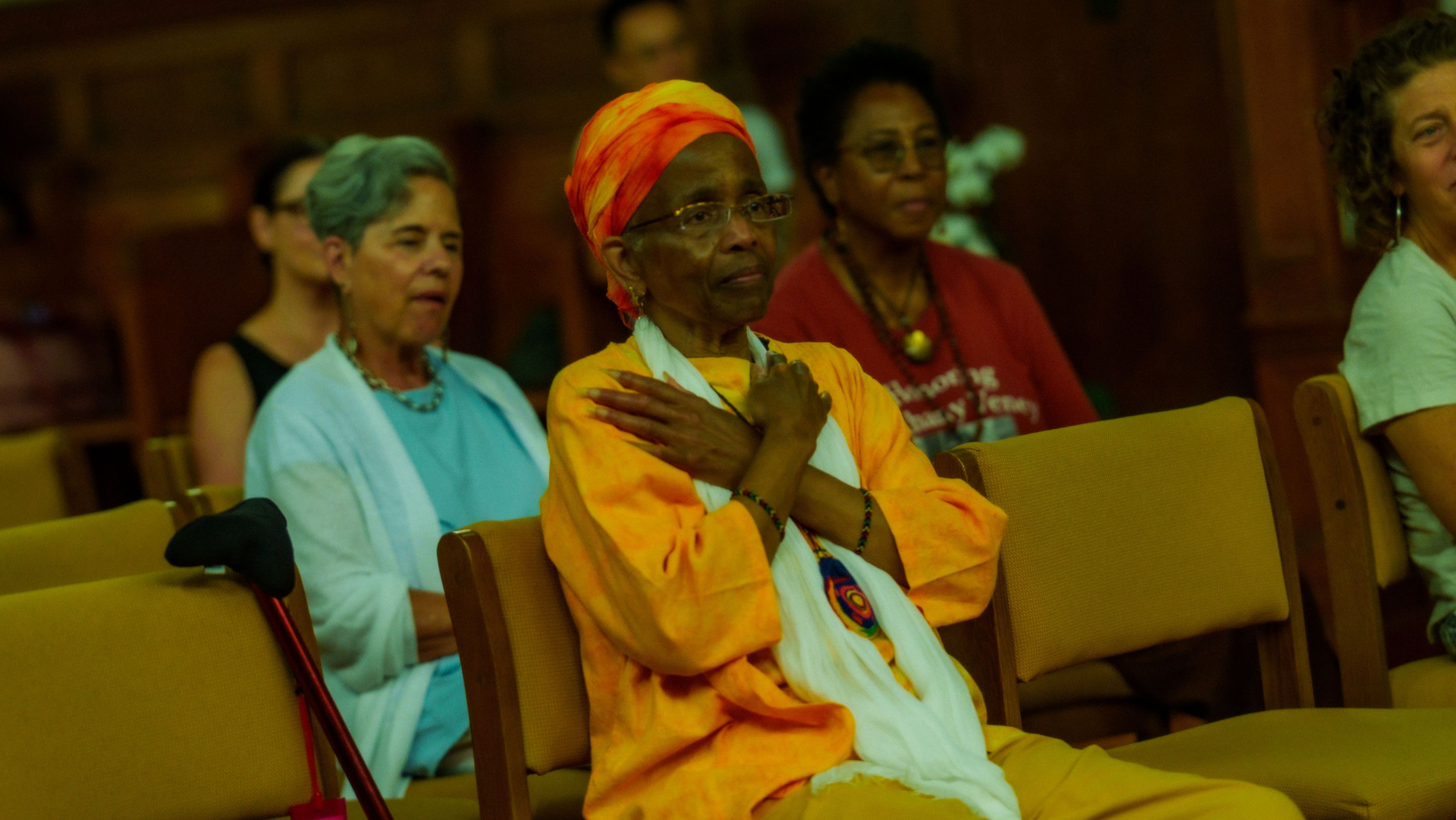
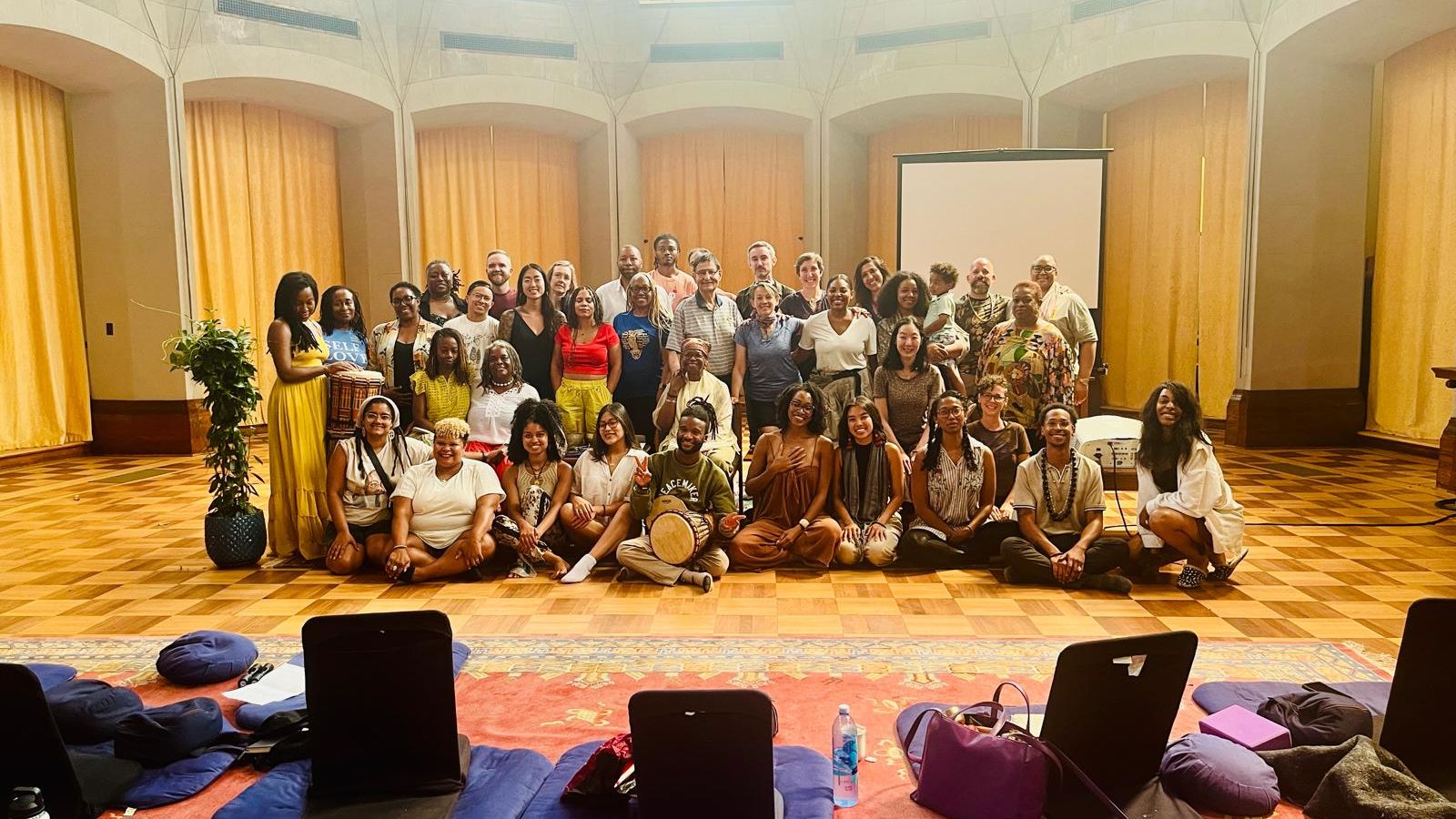
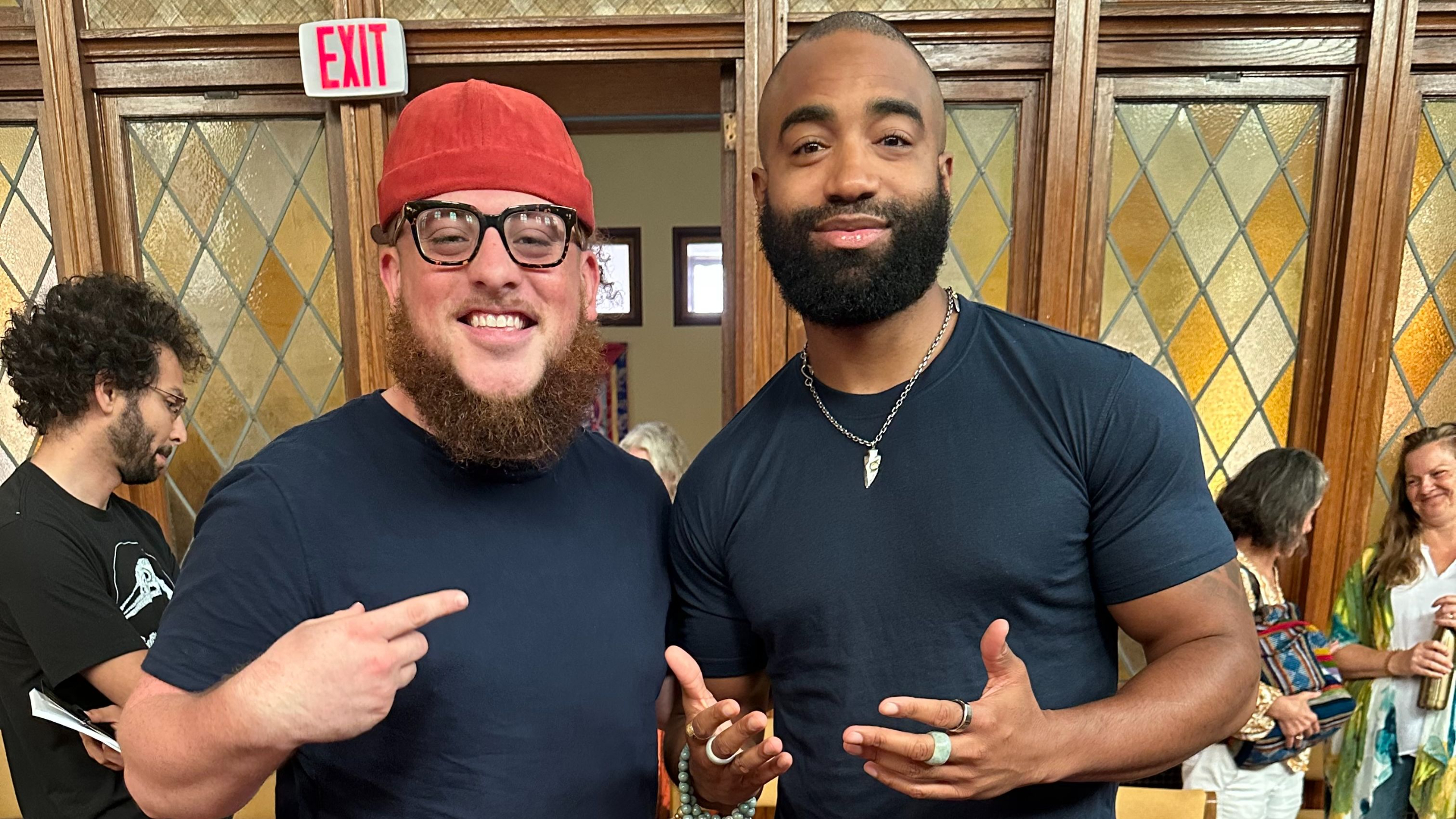
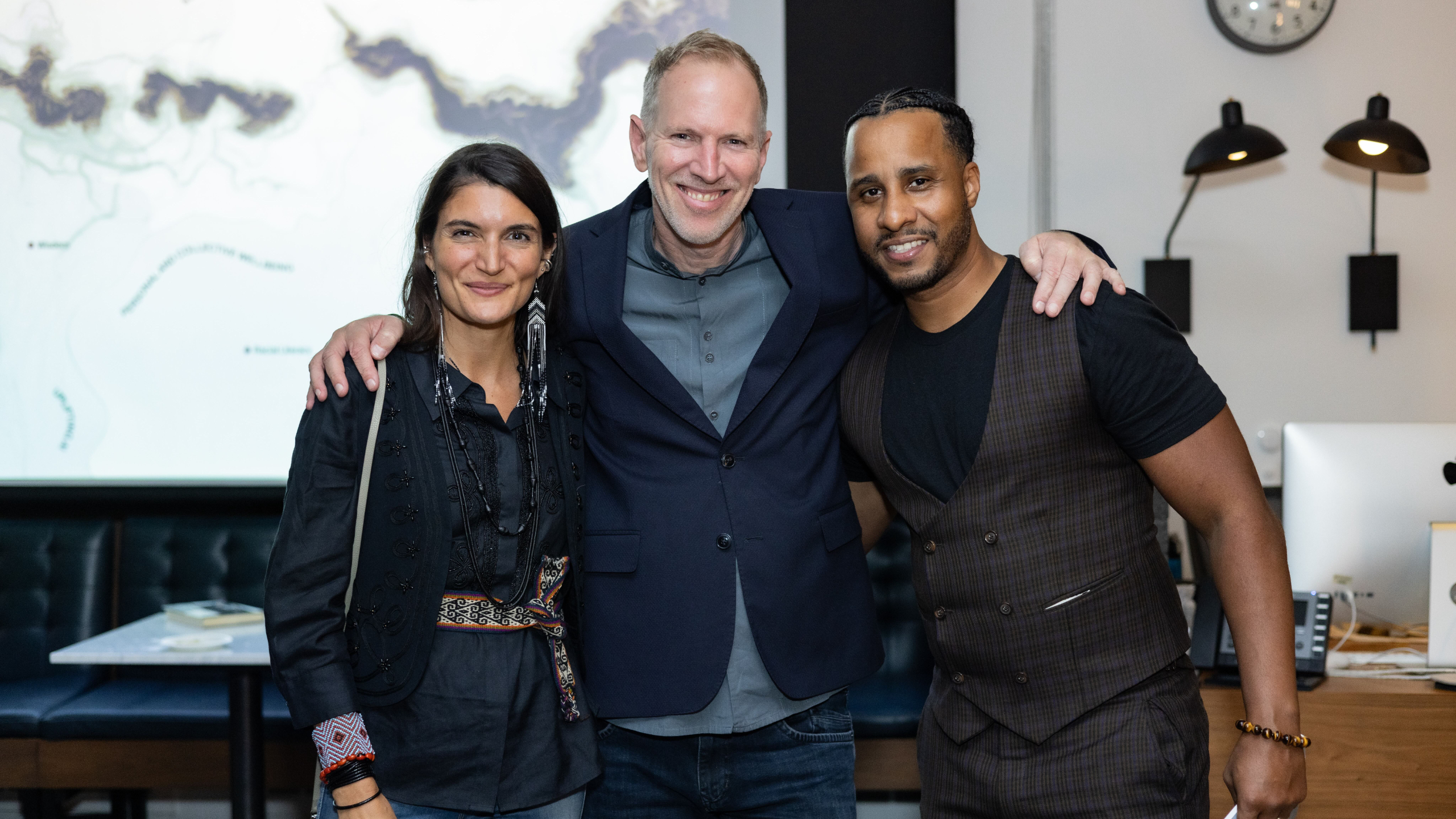
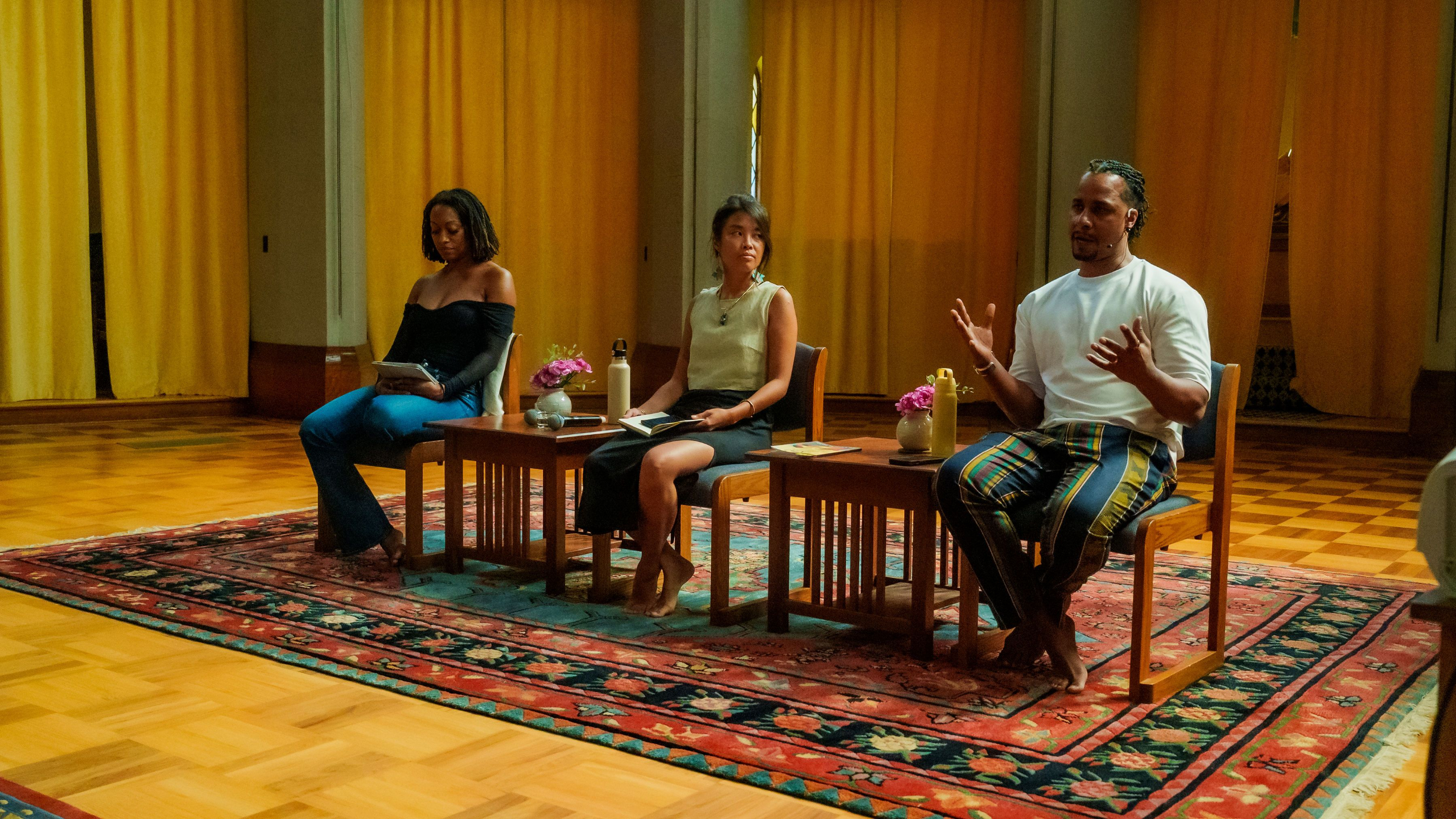
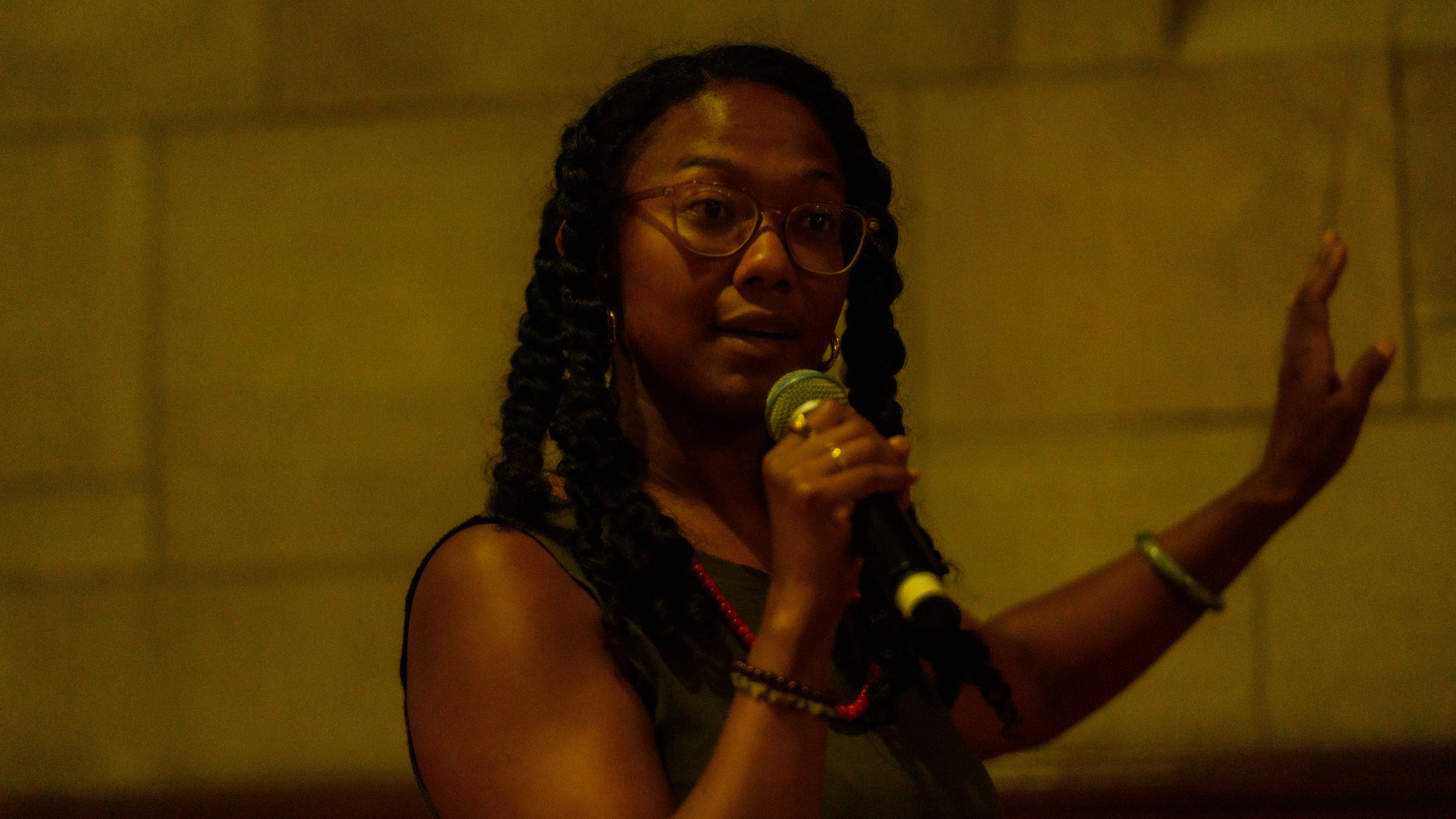
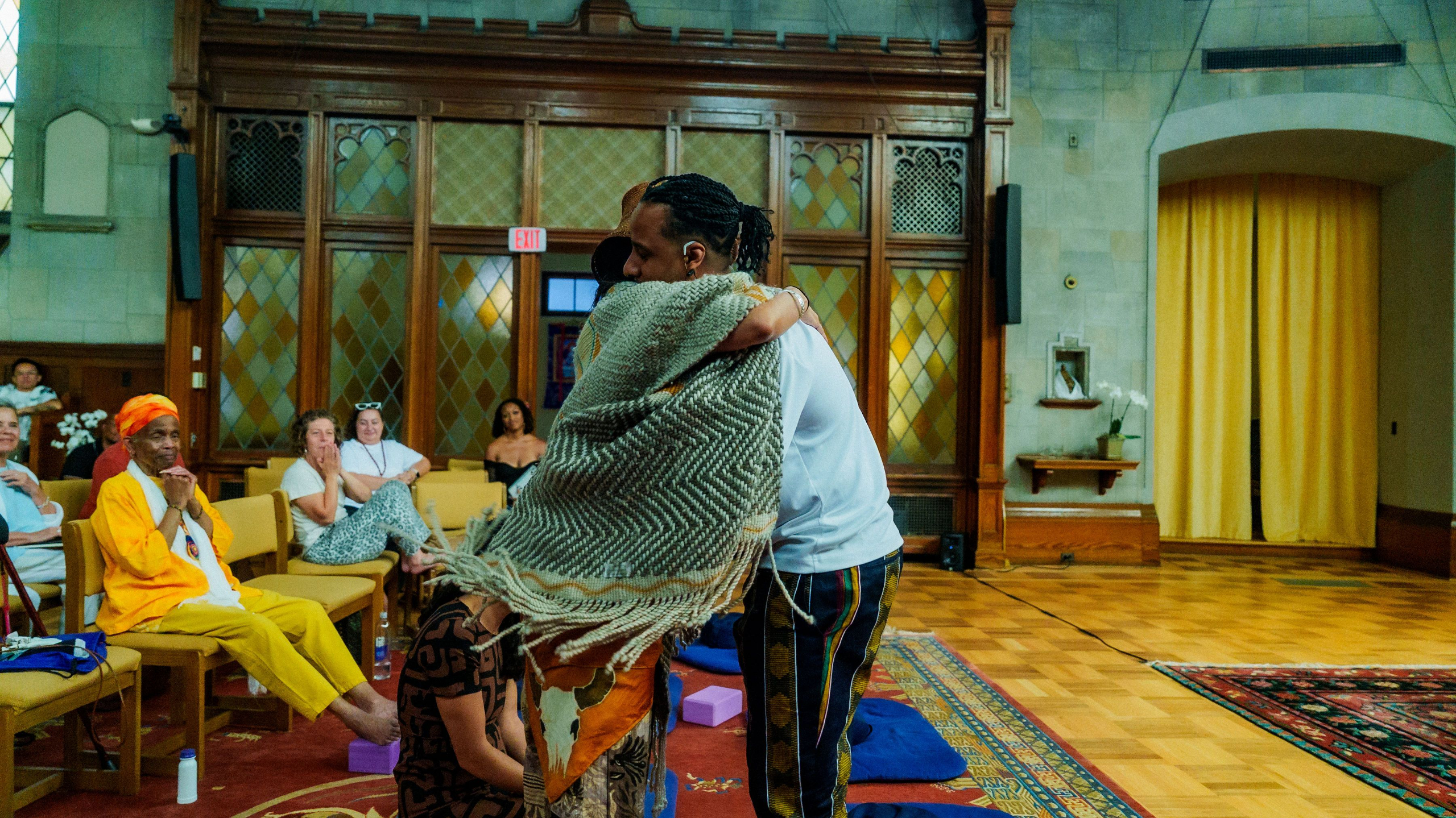
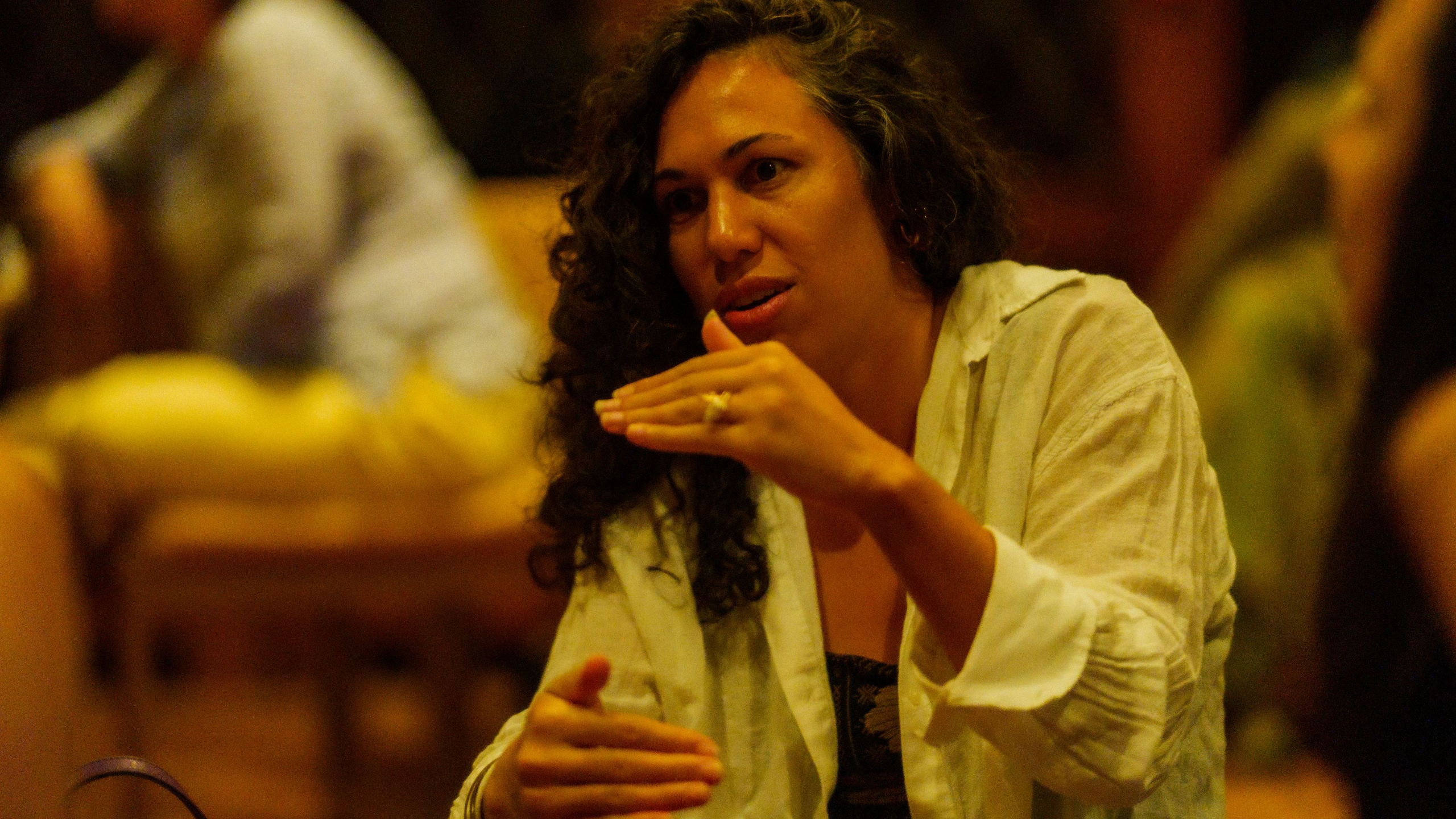
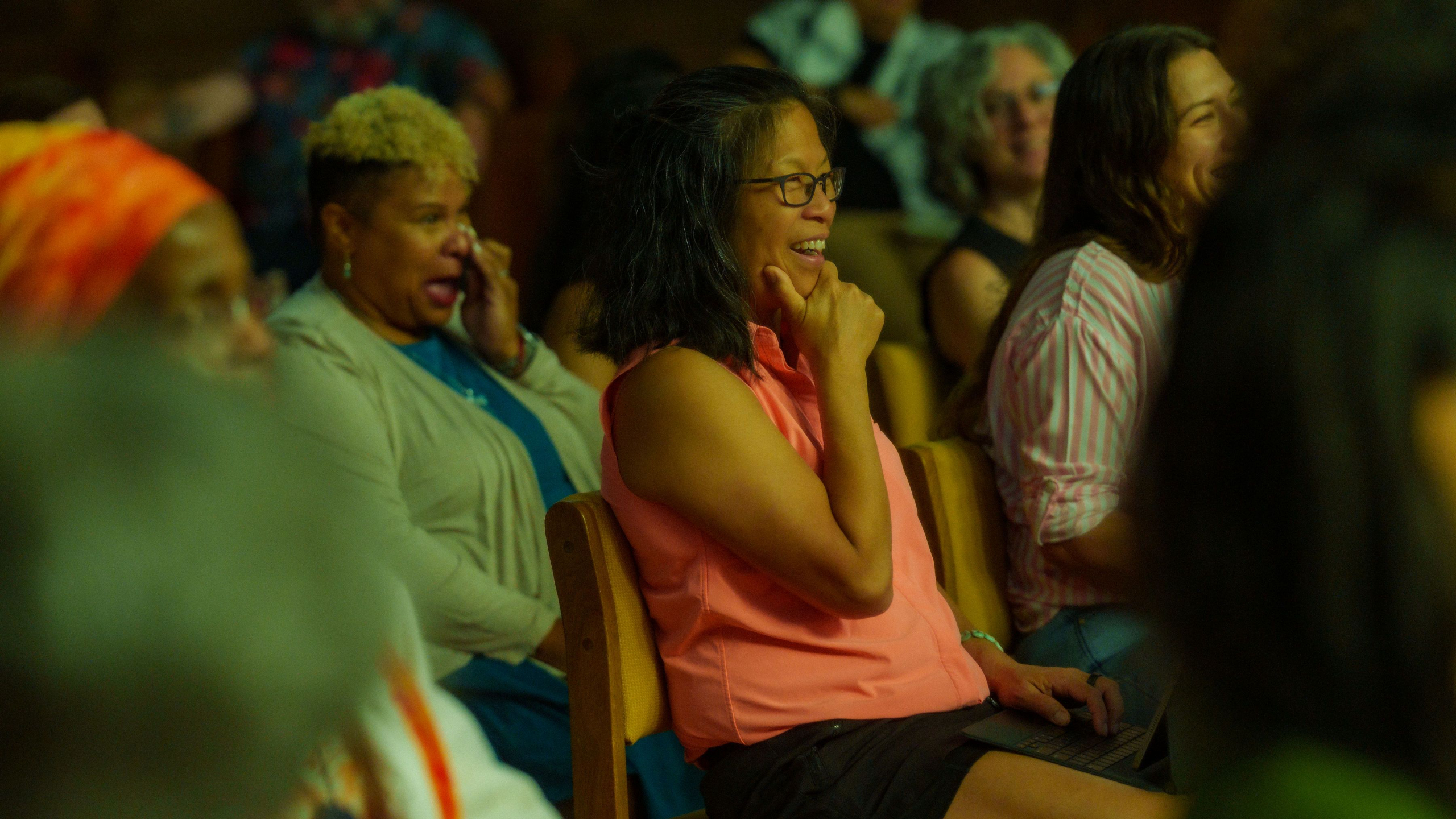
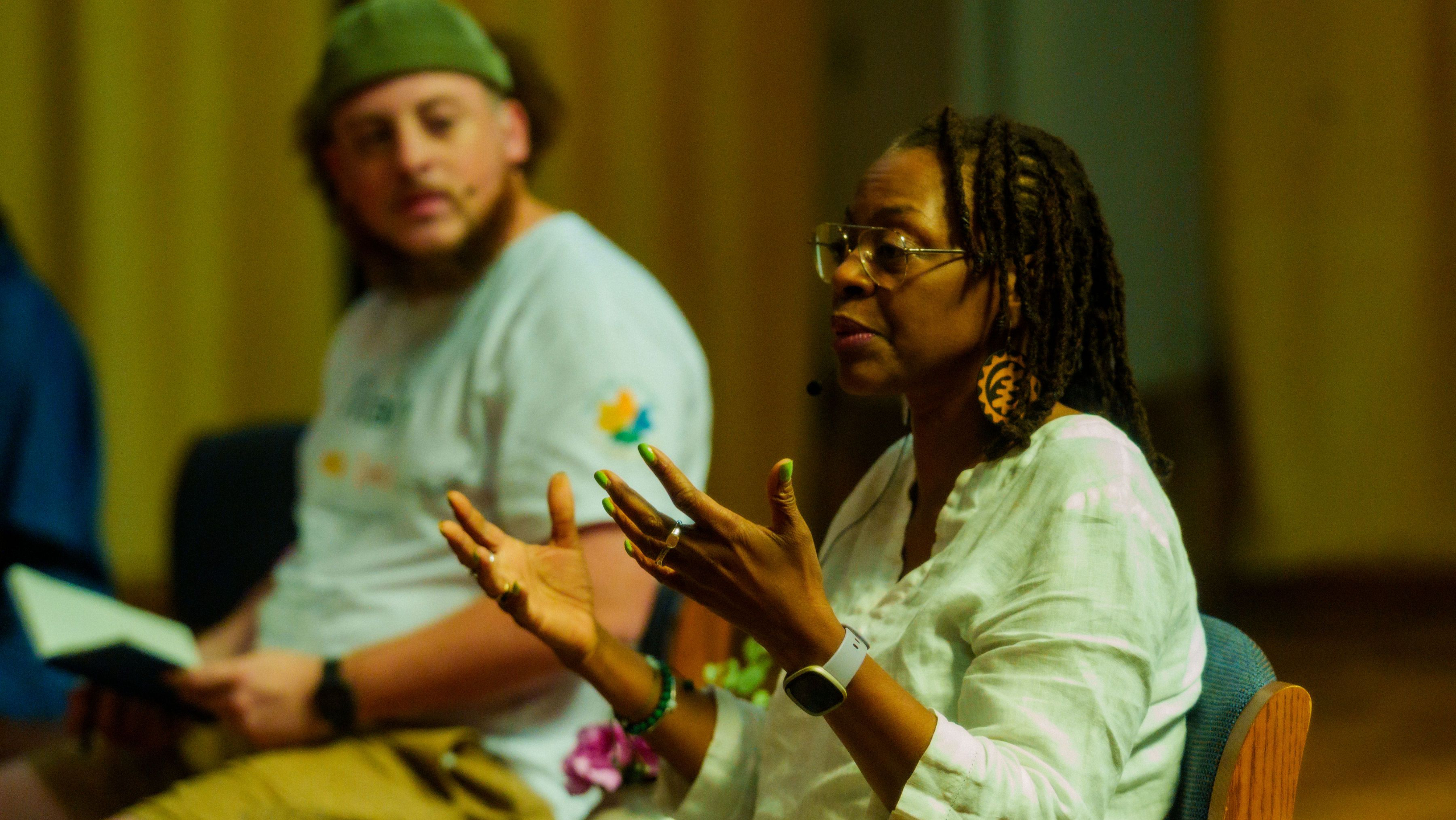
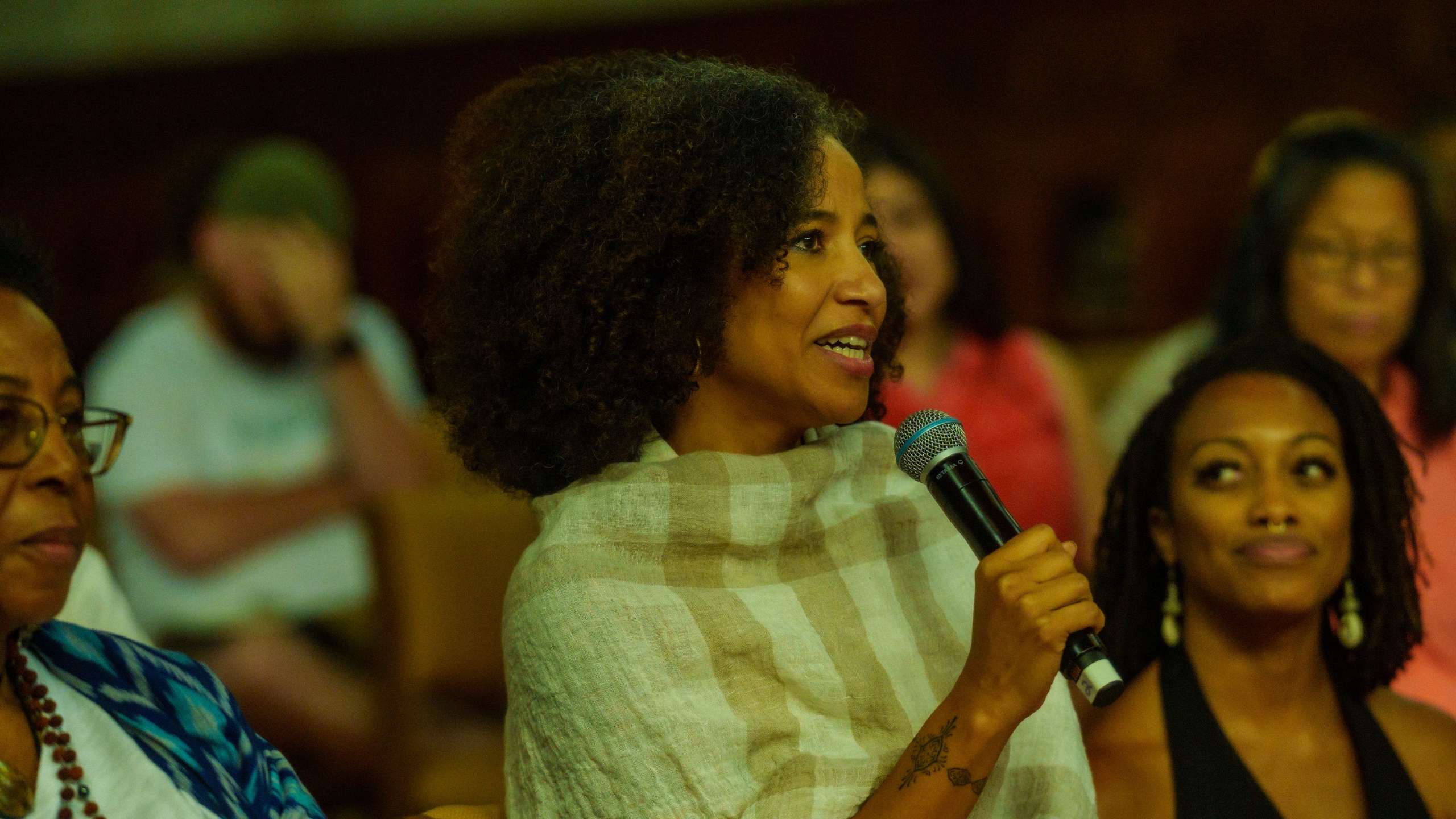
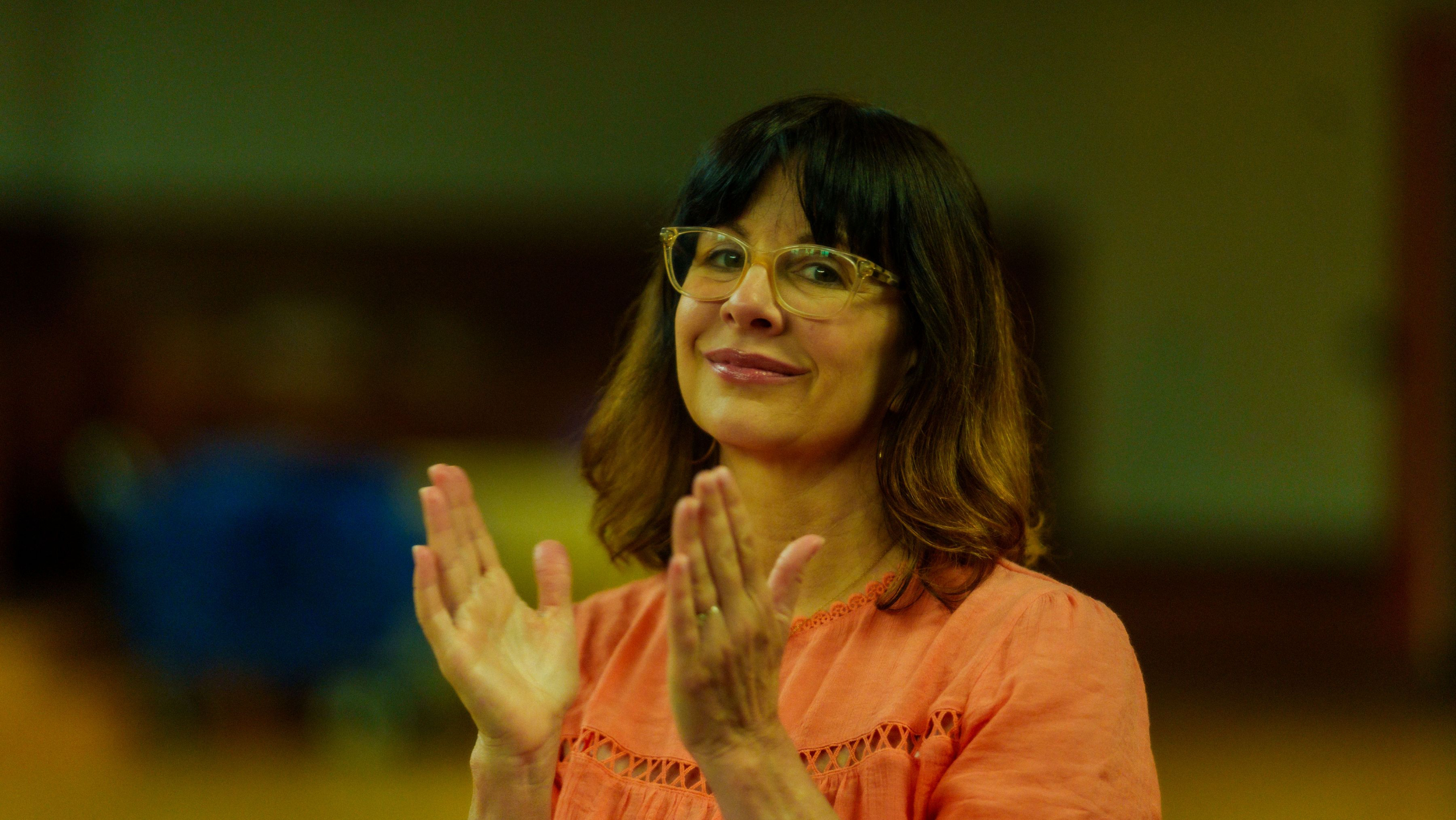
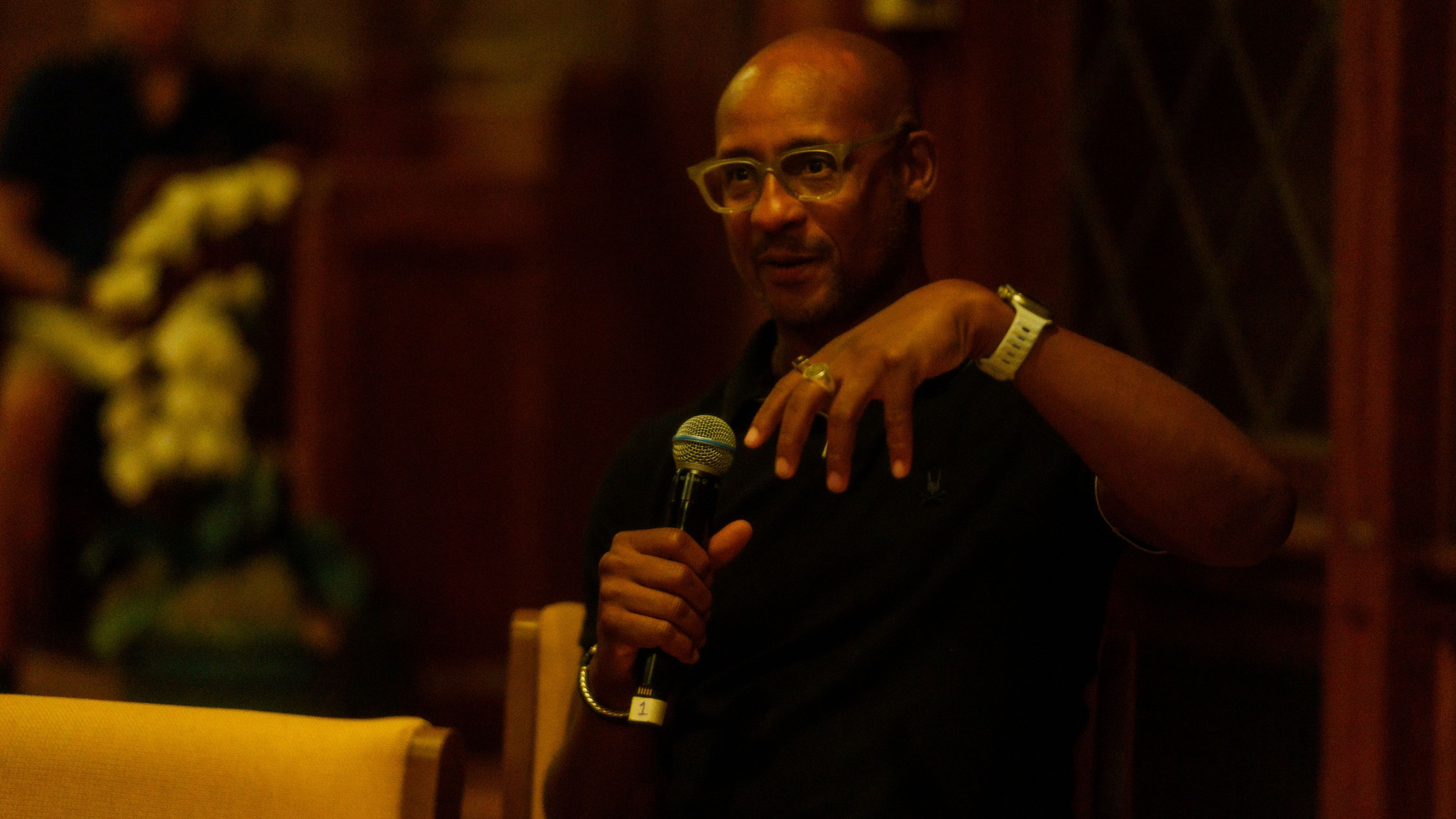
PICTURES FROM IN-PERSON EVENTS
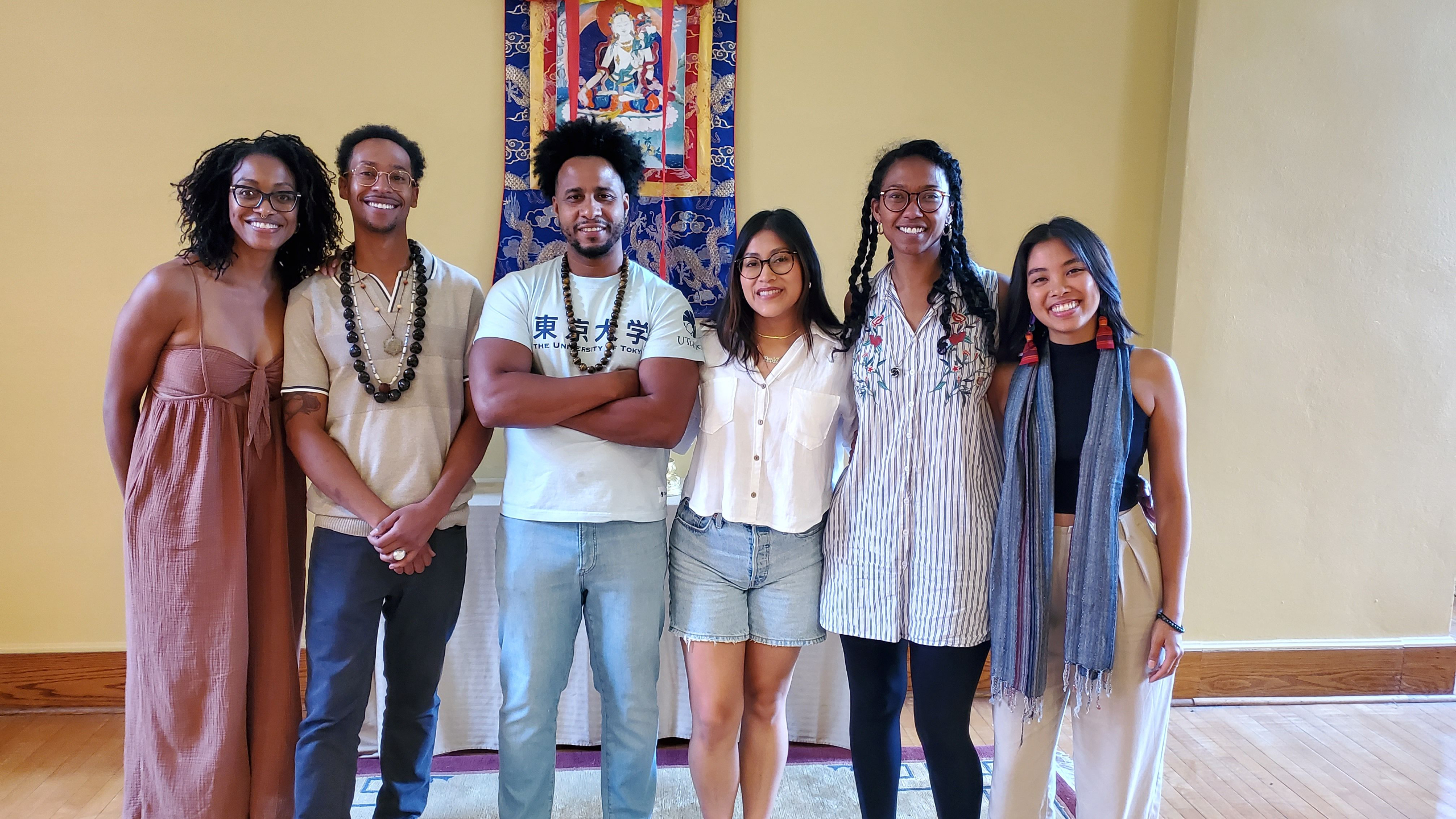
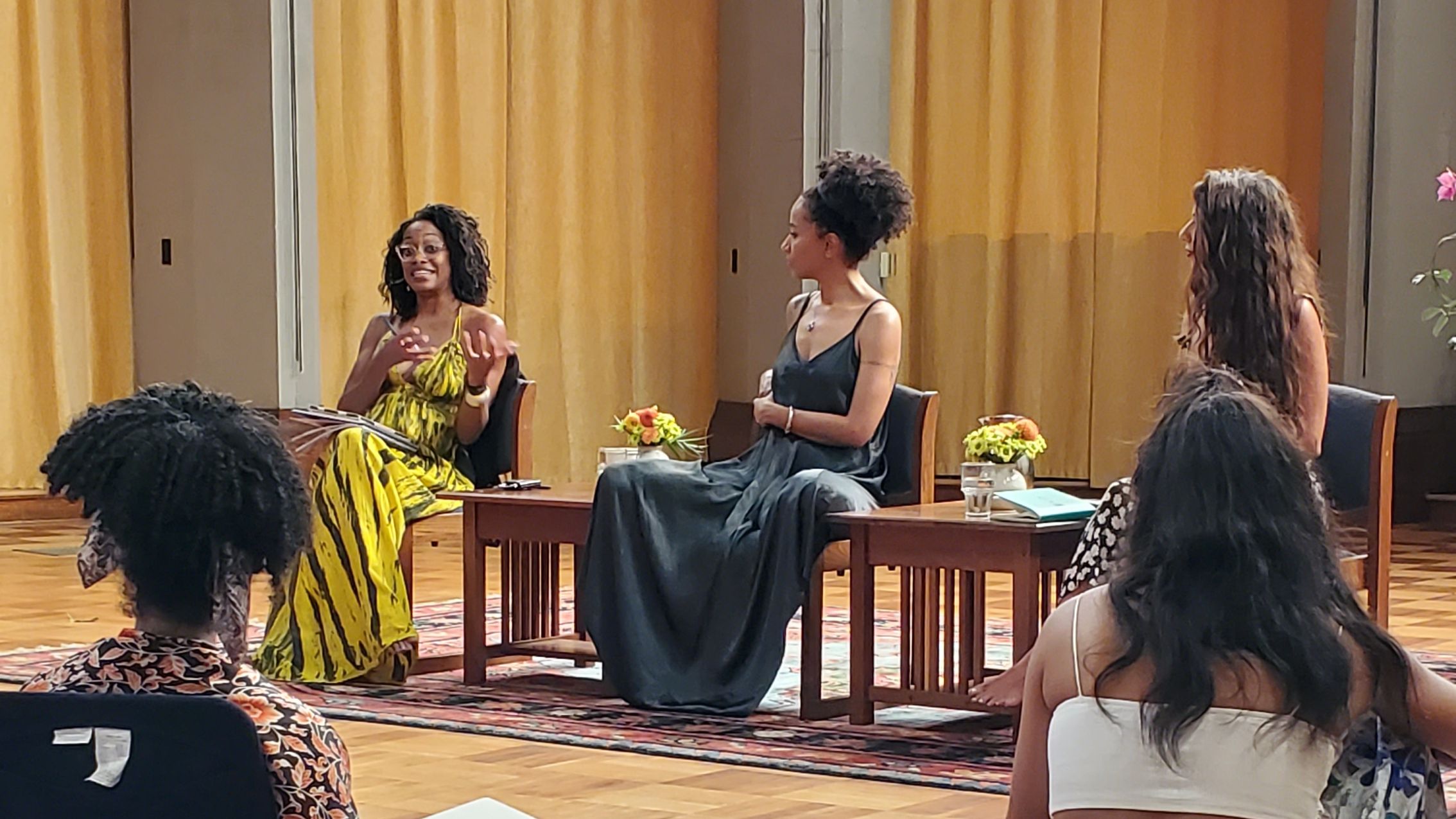
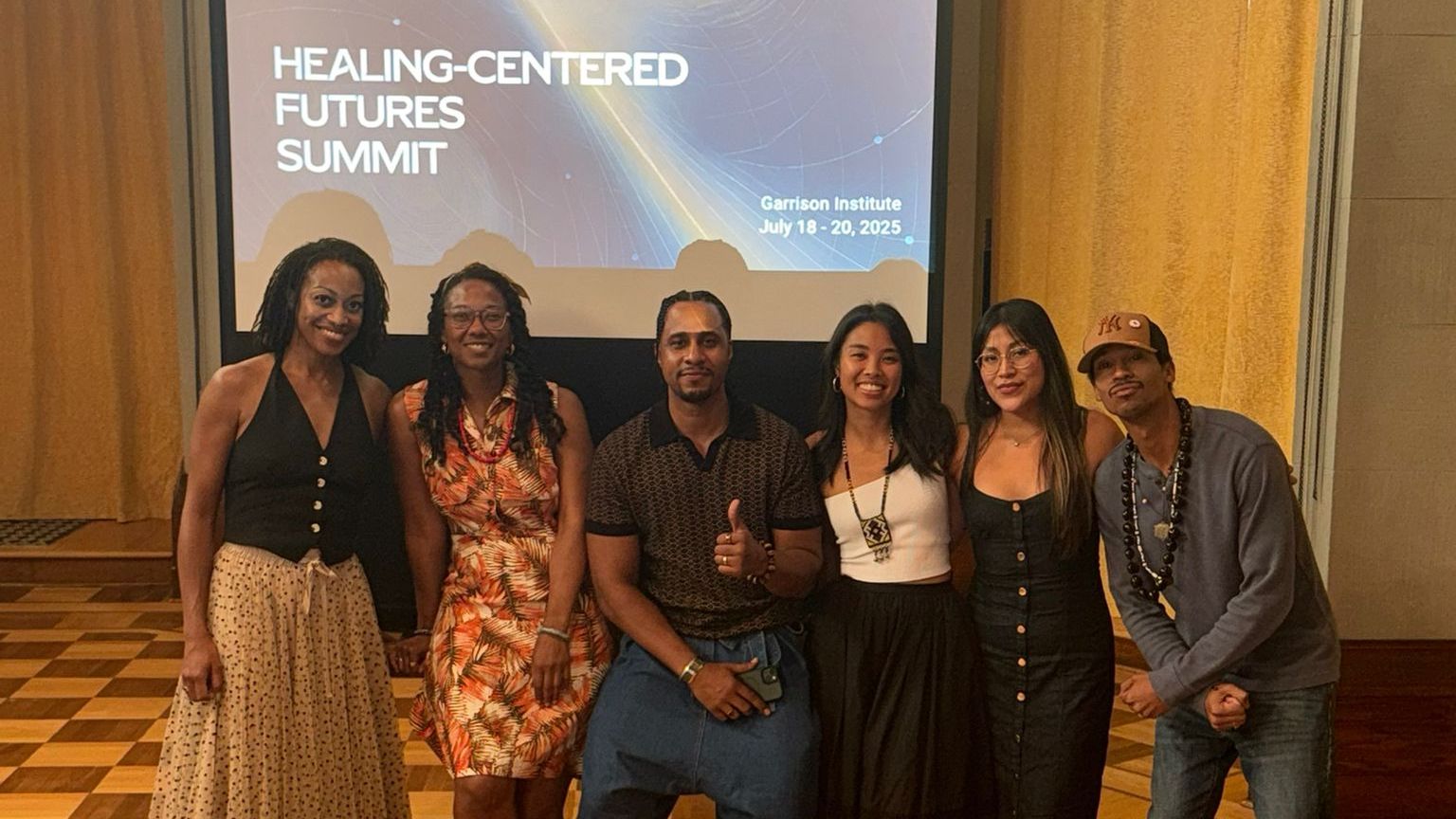
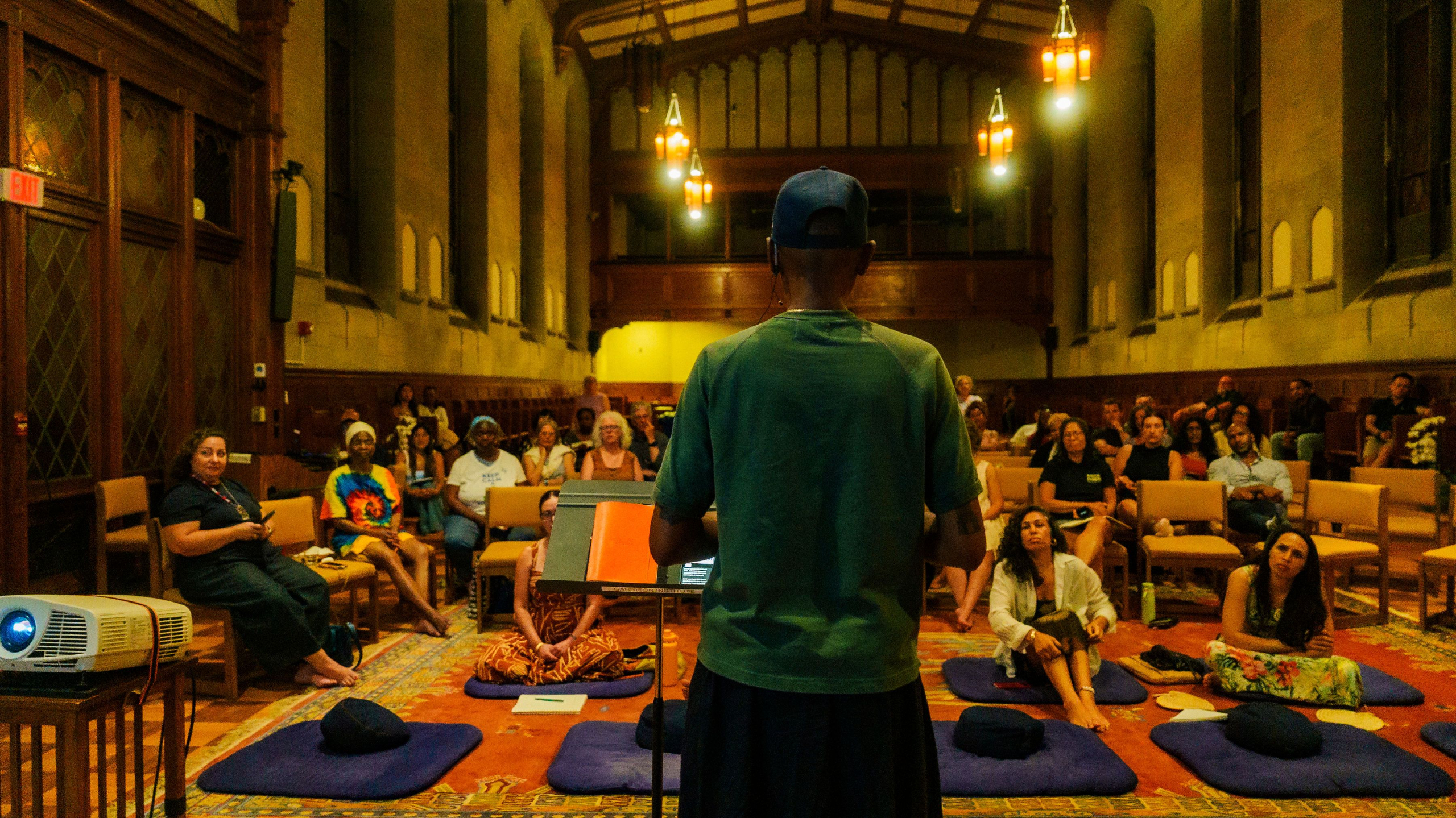
SURPRISES
One of the most meaningful and unexpected developments to emerge from this three-year body of work was the organic creation of the Acosta Institute Fellowship. While not originally designed as part of the grant, the Fellowship arose directly from what we were witnessing across our programs: a deep desire not just for learning experiences, but for sustained connection, belonging, and shared growth over time. Participants were not simply attending events or completing programs—they were seeking community, accountability, and a longer arc of development. The repeated call for “more time,” deeper relationships, and continued engagement made it clear that there was a need for a container that could hold people beyond a single course or convening. The Fellowship became that container—an intentional community designed to nurture healing-centered leaders across disciplines, supporting them as they integrate and apply this work in their lives and institutions.
At the same time, another unexpected evolution emerged through our growing engagement with artificial intelligence. Beginning as a responsive thread within our programming—sparked by participants’ curiosity and concern about the rapid rise of AI—this area quickly expanded into a significant focus of our work. What became clear is that our community was not only interested in understanding AI as a technical tool, but in making sense of it through a human, ethical, and healing-centered lens. This led to the development of offerings such as “AI for the Rest of Us,” AI-focused certificate programs, and community-centered dialogues that helped participants navigate both the possibilities and anxieties of this emerging field. Rather than treating AI as separate from our core work, we began to explore it as an extension of our mission—asking how healing-centered principles can shape the way we engage with technology in this moment.
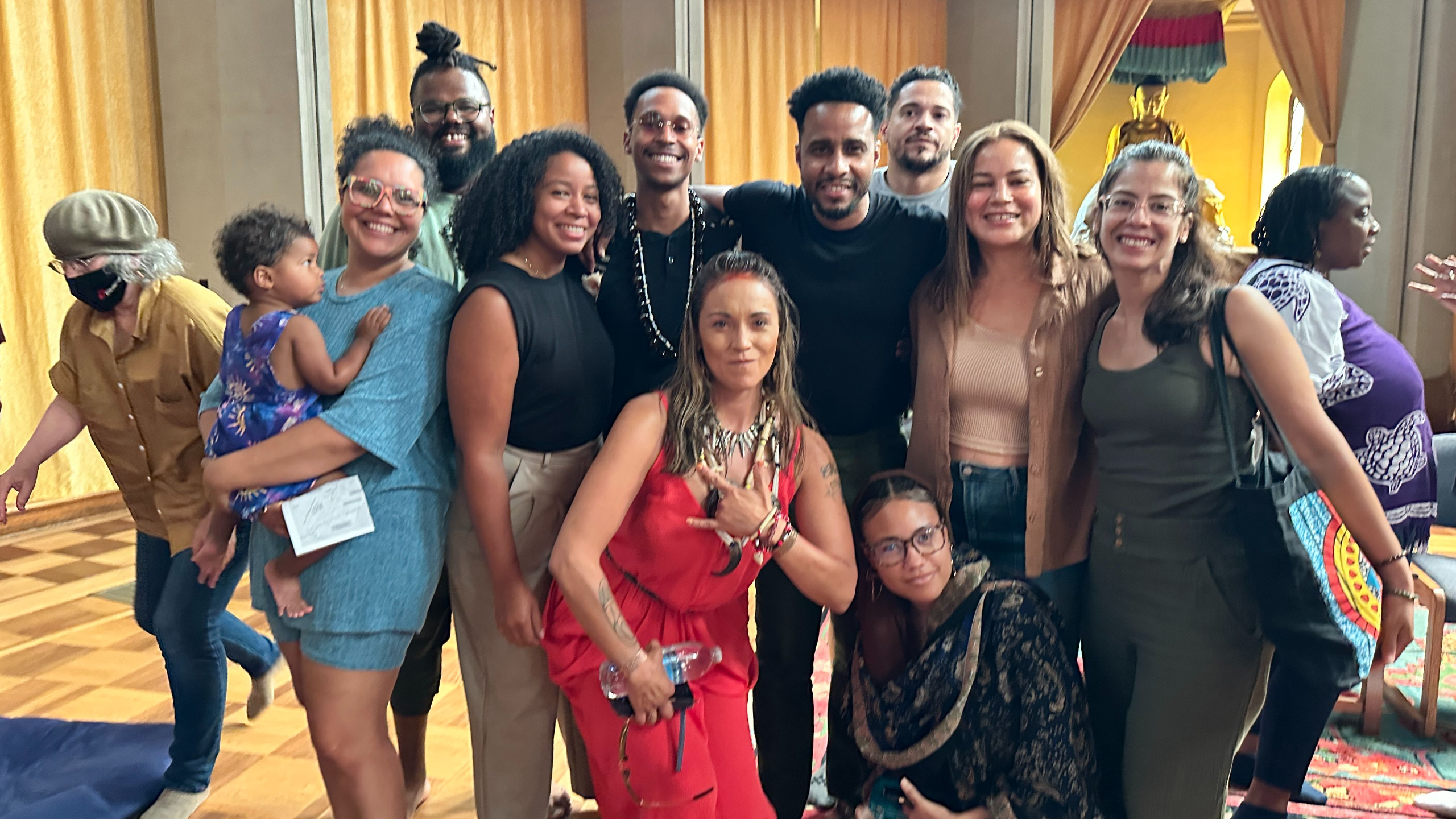
Together, these two developments—the Fellowship and the expansion into AI—represent a powerful evolution of the original vision. They reflect a shift from delivering programs to cultivating an ecosystem: one that supports ongoing learning, meaningful relationships, and adaptive responses to a rapidly changing world. The Fellowship deepens the relational fabric of our work, while our AI programming positions us at the forefront of critical conversations about the future of education, work, and society. Both emerged not from top-down planning, but from listening closely to our community and responding with care, creativity, and courage. In many ways, they are among the most significant outcomes of this grant—evidence of what becomes possible when programming is designed to be alive, responsive, and rooted in real human need. Below is an image of Fellows from Cohort 1 and 2.

